The Smoothie Diet Review
Published on: 2025-12-20 | Last updated: 2025-12-20
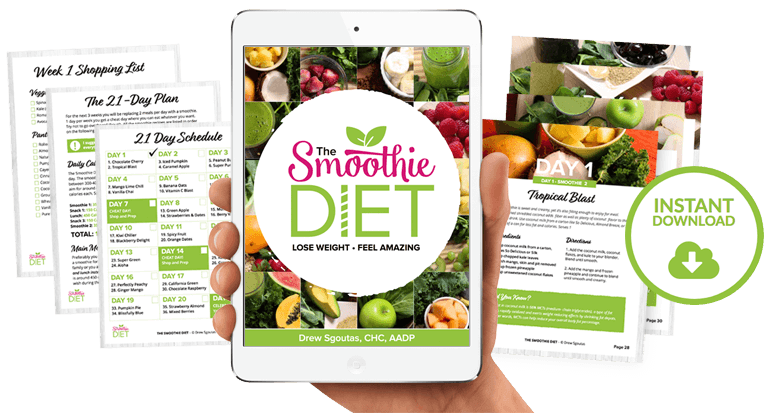
If you’re searching for The Smoothie Diet Review, you probably want one thing: a straight answer on whether this 21-day plan is worth your time and money. In this The Smoothie Diet Review, I’ll break down what’s inside, who it fits, where it falls short, and what to check before you buy—so you don’t end up paying for a plan you won’t stick with.
Top Highlights (Fast Scan)
- Best for: People who want a simple 21-day structure and can prep ingredients.
- Not ideal for: Anyone who hates smoothies, has complex clinical needs, or expects effortless results.
- What you get: A plan, recipes, and shopping guidance—no equipment or subscription required.
- Time cost: Prep is the real “price.” Batch it, and the plan gets easier.
- Verdict: The Smoothie Diet Review calls it a good structure tool, not magic—results vary.
Key Takeaways (Quick Wins)
- In The Smoothie Diet Review, the biggest advantage is structure—structure drives consistency.
- Prep once, win all week: freezer packs and a repeatable grocery list reduce drop-off.
- Most “bad experiences” come from too-low calories or unrealistic expectations—adjust responsibly.
- If you’re promoting it, keep claims honest and focus on habit-building, not guaranteed outcomes—The Smoothie Diet Review supports this approach.
TL;DR / Quick Verdict
Verdict: The Smoothie Diet Review finds this is a structured 21-day smoothie plan that can work well for consistency—best for planners, not ideal for people who hate prep or want customization.
Pros
- The Smoothie Diet Review highlights clear daily structure and simple “do this next” guidance.
- Recipes reduce decision fatigue (a big reason diets fail).
- Low upfront cost compared to ongoing subscriptions.
- Works best when paired with basic movement and sleep habits.
Cons
- Prep time is the deal-breaker if you don’t batch ingredients.
- Can feel too restrictive if calories are too low for your needs.
- Not a medical plan—special conditions need professional guidance.
Trust & Review Transparency
Author: Arshid Hussain Sofi — Independent Review Publisher at Review9
I publish independent reviews and practical guides for marketers and everyday buyers. I’ve spent years testing email follow-up strategies and list-building workflows, and I’ve also purchased and evaluated multiple WarriorPlus-style offers to understand how real funnels behave in the wild.
How We Tested The Smoothie Diet Review: I evaluated the PDFs for schedule clarity, recipe practicality, shopping lists, and the effort required to follow the 21-day plan. I also reviewed support/refund signals and how affiliates typically position this offer using ethical follow-up. For marketers, pair this with our email marketing tools guide and step-by-step list-building tutorials. For a related list-building deep dive, see our Lead Hero Review. This The Smoothie Diet Review includes both pros and cons to stay balanced.
More about us: About • Contact • Disclaimer
The Smoothie Diet Review — What It Is & Who It’s For ✅
At its core, The Smoothie Diet is a digital 21-day plan that uses smoothies as the “anchor habit” to simplify meals. In a world where most people fail because they get overwhelmed, a structured plan can be a relief: you wake up, you know what to make, you know what to buy, and you don’t waste mental energy deciding every single meal. That “less thinking, more doing” angle is central to this The Smoothie Diet Review.
In this The Smoothie Diet Review, the key question isn’t “Are smoothies good?” It’s: will this structure fit your real life? If you like repeatable routines, don’t mind basic prep, and enjoy fruit/veg blends, this can be a solid framework. If you travel constantly, dislike smoothies, or need a highly personalized nutrition approach, the structure may feel like a straightjacket—The Smoothie Diet Review calls this a mismatch problem, not a “bad program” problem.
Who it’s for: busy parents, office workers, and anyone who wants a reset with clear rules. Who it’s not for: people who want “do whatever you want” flexibility, anyone expecting effortless change, or those who need clinical dietary planning. This The Smoothie Diet Review also notes that if your plan is to promote it, claims must stay realistic and outcomes vary by user effort, traffic, and implementation.
Safety First — Side Effects, Interactions & Warnings 🛡️
Even a “simple” smoothie plan can create problems for some people, mostly because of calories, sugar load, fiber changes, and medication timing. If you rapidly change your diet, you might notice digestive shifts (bloating, gas, or constipation), headaches, or energy dips—especially during the first week while your body adapts. This The Smoothie Diet Review treats those early changes as normal signals to monitor, not reasons to panic.
If you have diabetes, blood sugar concerns, kidney issues, or are on medications where timing matters, be extra careful. Smoothies can be high in fruit sugars if the recipe isn’t balanced, and sudden increases in potassium (from certain fruits/greens) can matter for people with kidney limitations. Also, if you’re on blood thinners or have thyroid concerns, certain greens and supplements can complicate things—another reason The Smoothie Diet Review encourages checking with a professional when needed.
The practical safety move is simple: start slower, watch portions, balance fruit with protein/fat, and don’t treat any plan as a substitute for medical advice. This is a general program, not personalized care. If you’re pregnant, nursing, or managing a condition, talk to a qualified professional before doing a big dietary reset; The Smoothie Diet Review supports that common-sense approach.
Evidence & Research — What Science Says 🔬
Science doesn’t “prove” one 21-day plan is the answer—but we do know some fundamentals. When people eat more whole foods, increase fiber, reduce ultra-processed snacks, and keep calories in a reasonable range, they often see improvements in energy, digestion, and weight management. Smoothies can make it easier to consume fruits and vegetables, which supports those basics—and The Smoothie Diet Review is built around making those basics easier to execute.
The risk is that smoothies become a shortcut that ignores satiety and total nutrition. Liquids can be less filling than whole meals for some people, and relying heavily on fruit can spike cravings if the blend isn’t balanced. The best smoothie-based routines use a foundation (greens + fiber + protein + healthy fat) rather than “just fruit,” and The Smoothie Diet Review recommends applying that rule to keep hunger manageable.
So what does this mean for buyers? The plan can be useful if it pushes you toward better inputs and consistent routines. But if you already eat well, you may see smaller changes. And if you use it as a quick fix with no lifestyle support, results can be temporary—The Smoothie Diet Review frames it as a tool, not a miracle.
The Smoothie Diet Review — How It Works in Your Body 🔄
Most of the “work” here is behavior, not biology. The program simplifies your choices, which reduces decision fatigue. When you reduce daily friction, you’re more likely to stay consistent, and consistency is what drives most visible change. That’s why The Smoothie Diet Review is best understood as a structure-and-compliance system: it makes “the next right action” obvious.
On the nutrition side, smoothies can increase micronutrients and fiber if they’re built correctly. Better fiber intake supports digestion and helps regulate hunger signals. If your previous diet was heavy on refined carbs and snacks, shifting to planned smoothies can reduce overall calories and improve food quality—both of which can change weight over time. The Smoothie Diet Review highlights that these effects depend on the full day’s eating pattern, not just one blended drink.
But the body reacts to extremes. If you under-eat, you can feel fatigued and cranky, which makes quitting more likely. If you overdo fruit, you can get sugar swings. The “smart” way to use this plan is to keep it balanced and sustainable: protein, fiber, hydration, and a realistic calorie range for your size and activity—exactly how this The Smoothie Diet Review recommends you approach it.
Ingredients Deep-Dive — What Each One Does 🌿
This program isn’t a “pill ingredient list,” but the recipes often include common smoothie staples: leafy greens, berries, bananas, seeds, nut butters, and sometimes yogurt or protein. The best parts of those ingredients are straightforward—greens add micronutrients, berries add fiber and antioxidants, seeds add fats and texture, and protein helps keep you full. The Smoothie Diet Review focuses on these practical inputs because they’re what decide whether you feel satisfied.
Where people get tripped up is balance. If a smoothie is mostly banana + juice, it can behave like dessert. If it’s built with fiber + protein, it behaves more like a meal. A smart smoothie uses a base (greens), a fiber source (chia/flax), a protein source, and limited fruit for flavor—this The Smoothie Diet Review repeats that guideline because it prevents the most common “I’m starving” complaint.
So the “ingredient deep-dive” takeaway is not fancy: choose recipes that make hunger easier to manage. When you feel satisfied, you stay consistent. If the recipes you pick leave you hungry, you’ll end up snacking or quitting. That’s not failure—just feedback to adjust portions and composition, which is why The Smoothie Diet Review encourages small tweaks instead of quitting.
How to Use It — Dosage, Timing & Stacking ⏱️
Because this is a diet plan, “dosage” really means serving size and timing. The most common mistake is treating a smoothie like a tiny snack and then wondering why hunger crushes you by noon. Start by following the plan as written for a few days, and pay attention to your appetite and energy—the Smoothie Diet Review calls this your “real-world calibration phase.”
Timing-wise, smoothies are easiest in the morning and early afternoon. If you’re someone who gets cravings at night, a protein-forward blend can help. For “stacking,” the safest approach is stacking habits: hydration, daily steps, and consistent sleep. Those amplify results far more than adding random supplements, and this The Smoothie Diet Review recommends those levers because they’re reliable and low-risk.
If you’re promoting the program as an affiliate, avoid implying “instant” outcomes. Emphasize simple execution: prep, grocery list, follow the schedule, and transition after 21 days. People succeed when they know exactly what to do and feel like they can actually do it—this The Smoothie Diet Review is built to support that kind of clarity.
What to Expect — Realistic Timeline of Benefits ⏳
Most users who follow the plan consistently notice something within the first week: less decision fatigue, fewer chaotic snacks, and a more “planned” feeling around food. Some also notice less bloating if they were previously eating lots of salty processed foods. That early momentum can be motivating—The Smoothie Diet Review suggests using it to lock in prep habits before motivation fades.
Weeks 2–3 is where the real test happens. This is when boredom, social events, and prep fatigue show up. The people who do well tend to repeat a small set of recipes, batch ingredients, and stop trying to be “perfect.” The people who struggle tend to overcomplicate the plan or treat it like punishment—The Smoothie Diet Review calls the difference “friction management.”
By the end of 21 days, the best outcome is not a dramatic transformation—it’s a repeatable routine you can continue. Results vary, and they depend on calorie balance, movement, sleep, and consistency. Treat this as a structure tool that makes good choices easier, not as a guaranteed outcome engine; The Smoothie Diet Review keeps returning to this point for a reason.
Quality Matters — GMP, Third-Party Testing & Traceability 🧪
Unlike a supplement, this program doesn’t hinge on manufacturing standards. That said, “quality” still matters in a different way: ingredient quality, food safety, and how reliably you can source what the recipes require. If you buy low-quality produce or store it poorly, your smoothies can taste bad—and that alone can kill consistency. The Smoothie Diet Review treats taste as a compliance issue, not a luxury.
Traceability here looks like this: choosing a consistent grocery source, keeping frozen options on hand, and using food-safe storage. If you’re busy, frozen berries and greens can be a lifesaver. They reduce spoilage, reduce cost, and keep your plan stable when life gets chaotic—exactly the kind of practical detail this The Smoothie Diet Review aims to spotlight.
If you want the plan to feel easy, build a “minimum viable smoothie” you can repeat—something you can make even on a stressful day. That’s the quality factor that matters most: repeatability. Fancy ingredients are less important than a routine you can actually follow, and The Smoothie Diet Review emphasizes this because it’s what makes the plan sustainable.
Who Should Avoid It — Contraindications & Special Populations 🚫
If you have medical conditions that require a tailored diet, use caution. People with diabetes, kidney disease, serious GI disorders, or those on medications affected by diet changes should check with a professional. A generic plan can be helpful, but it can also be a poor fit when you need precision—The Smoothie Diet Review is clear on that boundary.
Also consider lifestyle contraindications. If you hate smoothies, don’t force it—compliance matters more than the “perfect plan.” If your work travel is unpredictable and you can’t shop or prep consistently, you may find this plan frustrating. And if you have a history of disordered eating, restrictive plans can be triggering; The Smoothie Diet Review recommends choosing a more flexible, supportive approach in those cases.
Who Should NOT Buy The Smoothie Diet Review: If you’re expecting effortless results, if you won’t prep even a little, or if you need a clinically personalized nutrition approach, this program is likely not worth it. In those cases, a simpler habit-based plan (or professional guidance) is a better use of time and money—The Smoothie Diet Review is about fit, not pressure.
Compare Alternatives — Which Option Fits You? 🏆
People searching for this offer often also consider mainstream options like Noom (coaching + tracking) or Weight Watchers (points system + community). Those are very different: they focus on behavior coaching and long-term habit formation, but they often require subscriptions and ongoing tracking, which some people hate. The Smoothie Diet Review compares these because your “best choice” depends on what you’ll actually stick to.
A smoothie-based plan like this is simpler: fewer choices, fewer decisions, less tracking. But it also has less personalization. If you know you need coaching and accountability, a structured app program may be a better fit. If you want a reset framework with minimal tech, a smoothie plan can work—The Smoothie Diet Review suggests choosing based on your past patterns, not your hope for motivation.
Quick comparison:
| Option | Best For | Tradeoff |
|---|---|---|
| The Smoothie Diet | People who want a simple 21-day structure | Prep + less personalization |
| Noom | Behavior coaching + accountability | Subscription + daily tracking effort |
| Weight Watchers | Flexible food choices + community | Points system may feel tedious |
Real-World Experiences — Verified Stories & Patterns 🗣️
Across diet programs, the same pattern shows up: the people who succeed simplify. They repeat recipes. They keep backup ingredients. They stop chasing perfection. For a smoothie plan, that means freezer packs, a short list of go-to blends, and a realistic routine that doesn’t require willpower every day. The Smoothie Diet Review highlights these patterns because they’re what separate “started” from “finished.”
The people who struggle often share a different pattern: they start too strict, under-eat, feel miserable, and then rebound. Or they overcomplicate the recipes, spend too much time prepping, and burn out. Most “bad reviews” are really about friction and mismatch—not that the plan is fake; The Smoothie Diet Review treats this as a planning problem you can solve.
So if you want a better outcome, build your plan around your real constraints. If mornings are chaotic, prep the night before. If you snack at 3 PM, add protein. If weekends derail you, pick a “weekend version” that still fits your life. That’s how you make 21 days actually happen, and it’s why this The Smoothie Diet Review keeps the advice practical.
The Smoothie Diet Review — The Best Part ❤️
The best part of this program is not the recipes—it’s the mental relief of structure. When you remove decision fatigue, you remove the daily negotiation with yourself. That’s why people who love routines often get the best experience from smoothie-based plans. The Smoothie Diet Review considers this the real “secret”: fewer decisions equals more consistency.
It also makes grocery shopping simpler. Instead of buying random “healthy” things that go bad, you buy what the plan needs. And if you adopt a freezer-pack routine, you reduce waste and reduce effort. That’s a practical win, especially for busy households—The Smoothie Diet Review views this as the strongest day-to-day benefit.
For affiliates, the best part is that it’s easy to explain: a 21-day structure, clear files, and a defined promise (without claiming guaranteed results). Your job is to position it honestly, explain who it fits, and set expectations so buyers feel informed—not pressured; this The Smoothie Diet Review supports that ethical approach.
Price, Bundles & Overall Value 💳
Pricing can change during promotions, but the core idea is that this is typically positioned as a low-ticket digital plan—often around the cost of a couple of takeout meals. If you use it and stick with it for 21 days, the value is mostly in the structure and reduced decision fatigue. The Smoothie Diet Review suggests judging value by usage, not by hype.
Be aware of funnel variations: you may see The Smoothie Diet Review bonuses, OTOs, or upsells that add recipes, guides, or related materials. The right way to evaluate these is simple: will you actually use them, or are they just shiny extras that inflate the cart? This The Smoothie Diet Review recommends choosing fewer add-ons and focusing on execution.
If you’re budget-sensitive, focus on the base plan first. If you already own a blender and can shop smart, the biggest ongoing cost is produce and protein add-ins. In many cases, this can still be cheaper than constant snacking and convenience food—if you plan your grocery runs, which The Smoothie Diet Review treats as a real-world advantage.
Refunds, Guarantees & Customer Support 🧾
Refund terms depend on the vendor and platform, so always read the checkout page carefully. A good policy should be clearly stated and easy to follow. If the policy feels hidden or confusing, treat that as a caution signal and slow down before purchasing—The Smoothie Diet Review recommends this for every digital plan.
Customer support is also a real factor. With digital programs, the most common issue is access—missing files, login confusion, or download problems. If you want peace of mind, take a screenshot of the receipt page and confirm where your files will be delivered. The Smoothie Diet Review suggests doing this because it prevents “I can’t find my download” frustration.
If you’re an affiliate, this matters too: promoting offers with unclear support can increase refunds and complaints. If you need help or have questions about disclosures and ethical promotions, use our Contact page. For how affiliate disclosures work, review our disclaimer; this The Smoothie Diet Review aligns with transparent marketing.
Storage, Shelf Life & Handling 📦
Because this is a food-based plan, storage is a hidden success factor. Fresh produce spoils fast, and when ingredients go bad, motivation goes with them. The best way to keep the plan easy is to build a freezer system: portion ingredients into bags or containers you can blend quickly. The Smoothie Diet Review calls this the “make it impossible to fail” setup.
Shelf life varies by ingredient, but frozen fruit and greens can keep your plan stable for weeks. Nut butters and seeds also store well and can make smoothies more filling. If you’re using dairy or yogurt, keep an eye on expiration dates and consider shelf-stable alternatives if needed—The Smoothie Diet Review recommends picking options that fit your schedule and budget.
Handling matters for taste, too. If your smoothies taste “meh,” you won’t stick with them. Invest in a few flavor anchors—cinnamon, cocoa, vanilla, or a consistent protein source. The goal is to make your default smoothie something you actually look forward to; The Smoothie Diet Review emphasizes this because taste drives consistency.
Where It’s Made & Regulatory Compliance (FDA/AYUSH/ISO) 🏷️
This isn’t a physical supplement manufactured in a facility—it’s a digital program. That means “made” refers to the content itself: the PDFs, recipes, and plan structure. There is no FDA approval process for diet PDFs, and no “clinical certification” that automatically makes a plan better; The Smoothie Diet Review focuses on usability and responsible framing instead.
What you should look for instead is clarity and responsibility: does it avoid extreme claims, does it encourage safe habits, and does it acknowledge that results vary? Responsible programs should not promise guaranteed weight loss or magical outcomes. They should frame benefits as potential, based on consistent execution—this The Smoothie Diet Review follows that standard.
If you have concerns about regulation or safety, the best move is personal: talk to a qualified professional about major diet changes. The program can be a structure tool, but your health context matters more than any one plan; The Smoothie Diet Review repeats this because it’s the safest, most honest advice.
Our Review Criteria — How We Evaluate Supplements 🧭
Even though this is a digital plan, we review it with the same standards we use across wellness offers: clarity, usability, realistic outcomes, transparency, and support. We also look at refund terms, how the offer is positioned, and whether the marketing claims feel responsible. The Smoothie Diet Review aims to help you decide with calm facts, not pressure.
We test based on real-life friction: would a busy person actually follow this, and what are the likely points of failure? That’s why we talk about prep and repeatability so much. In the real world, the best plan is the one you can follow with minimal daily stress—The Smoothie Diet Review treats this as the “fit” metric that matters most.
If you’ve read our other breakdowns—like the FlexiViral Review or Growth Accelerator Bundle Review—you’ll recognize the same “honest pros/cons” approach. It’s not about hype; it’s about fit, and this The Smoothie Diet Review stays consistent with that standard.
Pros & Cons — Balanced View
Let’s keep it simple. The pros are about structure: it’s easier to follow a plan than to improvise. Smoothies can be a convenient way to raise your fruit/veg intake, and the “program feel” can boost motivation for the first few weeks. The Smoothie Diet Review also notes that routines often reduce random snacking by removing daily food decisions.
The cons are about sustainability and mismatch. If you don’t like smoothies, you’ll resent the routine. If the plan pushes you too low on calories, you’ll feel exhausted and quit. And if you expect “push-button” outcomes, you’ll be disappointed—results require consistent implementation; The Smoothie Diet Review is clear about that reality.
The right mindset is to treat this as a short reset that helps you build a repeatable breakfast/lunch system. If it helps you reduce chaos and snack impulses, it’s doing its job. If it makes you miserable, don’t force it—adjust the approach, which The Smoothie Diet Review encourages as the most sustainable path.
Expert Tips — Pairing with Lifestyle for Better Results 🧠
If you want better results, focus on the “boring multipliers”: sleep, steps, and protein. A smoothie plan is easier when you’re well-rested and not constantly craving sugar. Even a 20–30 minute daily walk can improve energy and help the plan feel sustainable—The Smoothie Diet Review recommends these because they’re consistent winners for most people.
Make your smoothies more filling. Add protein (Greek yogurt, protein powder, or a food-based protein), add fiber (chia/flax), and keep fruit portions reasonable. If you feel hungry all day, you won’t stick with it—so build satisfaction into the recipe; The Smoothie Diet Review treats satiety as the #1 success lever.
If you’re promoting it, take the long-term view. Emphasize that outcomes vary by person and that consistent habits matter. Link it to ethical follow-up and education rather than hype. That’s how you reduce refunds and build trust with your audience over time—The Smoothie Diet Review supports this approach for sustainable affiliate growth.
Verdict — Should You Buy? 🛒
If you want a simple 21-day structure and you’re willing to prep ingredients, this program can be a helpful reset. The value is in reduced decision fatigue and clearer daily actions—not in secret ingredients or magical “detox” promises. This The Smoothie Diet Review recommends treating it as a routine builder.
If you hate smoothies, need highly personalized nutrition, or expect effortless change, skip it. In those cases, pick a program with coaching/accountability or talk to a professional about a plan that matches your health context. The Smoothie Diet Review is honest about this: mismatch leads to frustration.
My final take: The Smoothie Diet Review is best used as a structure tool—use it to build a repeatable routine, keep expectations realistic, and remember that results vary based on consistency, lifestyle, and total diet quality.