Quietum Plus Review
If you’re here, you probably want a straight answer: does this supplement actually help, or is it just another glossy offer page? In this Quietum Plus Review, I’ll walk you through what it is, what it can realistically support, what the ingredient story looks like, and what to watch out for so you don’t waste money—or set the wrong expectations. I’ll also cover the bundle pricing, bonuses, refund terms, and how it stacks up against practical alternatives that many people overlook.
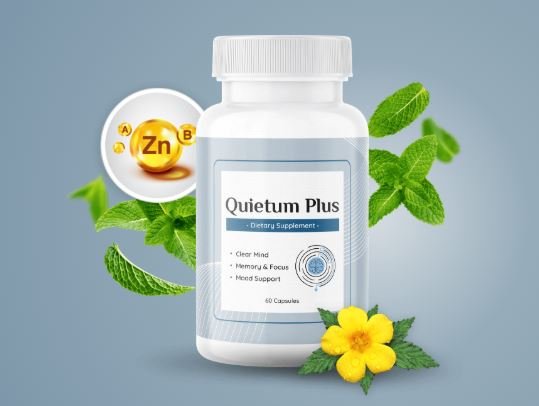
At-a-Glance Highlights
- Goal: daily ear comfort + calm “noise perception” support (not a guaranteed cure)
- Approach: multi-ingredient botanical blend + vitamins/amino acids
- Best fit: patient, consistent users who understand results vary
- Not ideal: anyone expecting instant silence or medical-grade treatment
- Buying tip: check label + refund terms; bundles often reduce cost/day
TL;DR / Quick Verdict
Verdict: Quietum Plus can be a reasonable “support supplement” for adults who want a natural routine and are realistic about outcomes—but it’s not ideal for people who want guaranteed, fast tinnitus relief.
Key Takeaways (Quick Wins)
- Think of it as support (comfort, calm, circulation, stress), not a “magic fix.”
- Bundles can make cost/day easier—just confirm shipping, bonuses, and the 60-day policy.
- Track changes with a simple journal (sleep, stress, noise exposure) to spot patterns.
- Pair with hearing protection and stress reduction for more practical upside.
Pros
- Convenient daily capsule routine
- Ingredient blend targets stress/antioxidants/circulation (supportive pathways)
- Common bundle options + refund window on many offers
- Often includes digital bonuses with larger bundles
Cons
- Not a medical treatment; evidence for “tinnitus cure” claims is limited
- Possible interactions (blood pressure meds, pregnancy, certain conditions)
- Marketing language can oversell certainty—read terms carefully
Best for: consistent adults who want a supportive wellness add-on. Not ideal for: people with sudden hearing loss, severe vertigo, or anyone who needs a clinician-first plan.
Quietum Plus Review — What It Is & Who It’s For ✅
Quietum Plus is marketed as a daily supplement designed to support ear comfort and a calmer “noise perception” experience. In plain English: it’s positioned for people who hear ringing, buzzing, or humming and want a natural routine to support overall ear and nervous-system wellness. In this Quietum Plus Review, I’m not going to sell you a fantasy. Supplements can support certain pathways—like stress, circulation, antioxidant balance, and nutrient coverage—but tinnitus is complicated and outcomes vary.
The best fit is the patient buyer who’s willing to use it consistently, track what changes (sleep, stress, caffeine, noise exposure), and pair it with common-sense steps like hearing protection and calmer evenings. If your expectation is “one capsule, instant silence,” Quietum Plus Review will likely disappoint you because that’s not how most real-world body feedback works.
Also, if you’re a US-based marketer researching this offer, understand what searchers want: honest pros and cons, a clean answer to “scam or legit,” and pricing clarity. That’s why we’ll cover bundle math, refund details, and an “education-first” approach—similar to how we break down other offers like our iGenics Review for list-builders or the Sugar Defender Review where hype can drown out the basics.
Safety First — Side Effects, Interactions & Warnings 🛡️
Let’s be blunt: “natural” doesn’t automatically mean “safe for everyone.” A multi-ingredient blend can be fine for many adults, but it can also be wrong for specific health profiles. If you’re pregnant, nursing, on blood pressure medication, managing thyroid conditions, or taking prescriptions that affect mood, sleep, or circulation, you should treat this as a clinician conversation—not a late-night impulse checkout.
Common supplement-style issues can include mild digestive discomfort, headaches, changes in sleepiness/alertness, or sensitivity to certain herbs. If you’re already using stimulants, sleep aids, or calming herbs, stacking multiple things can create a “too much” effect. A safe approach is simple: start low (follow label), avoid adding extra “boosters,” and keep notes for 7–14 days before changing anything.
Finally, a big red flag is sudden hearing loss (especially one-sided), severe dizziness, neurological symptoms, or new tinnitus after a medication change. That is not a “wait and see” situation. A supplement review can help you buy smarter, but it can’t replace a proper hearing evaluation when symptoms suggest something urgent.
Evidence & Research — What Science Says 🔬
Here’s the most honest framing: tinnitus is often connected to hearing changes and the brain’s processing of sound signals. Some ingredients in blends like this are studied for antioxidant effects, stress modulation, or neuro-support pathways—but that does not automatically translate into “clinically proven tinnitus relief.” Many studies are preclinical, indirect, or focus on a different outcome than what the sales page implies.
That’s why in a Quietum Plus Review, I treat “science-backed” as a spectrum. If the ingredients are generally supportive of nervous-system health, circulation, and stress, that can be a reasonable wellness angle. But a supplement is rarely a single-point solution. Real improvements often come from a combination: hearing protection + sleep + stress reduction + sometimes hearing aids/sound therapy if hearing loss is part of your picture.
If you want to be a smart buyer (or a responsible marketer), focus on what is measurable. Ask: Does it have clear labeling? Is the dosage realistic? Is the refund policy clear? Does the seller avoid illegal disease-cure language? If those boxes are checked, the offer can be “legit” as a supplement—without pretending it’s a medical treatment.
Quietum Plus Review — How It Works in Your Body 🔄
The marketing story usually leans on “ear-to-brain signaling” and “nerve support.” In practical terms, what a blend like this can reasonably try to do is: support a calmer stress response, support antioxidant balance (which may help with general tissue resilience), support circulation and nutrient delivery, and cover a few nutrients that matter for overall neurological function.
In this Quietum Plus Review, here’s the most realistic way to think about it: if your tinnitus or ear discomfort feels worse when you’re tired, stressed, anxious, or run-down, then a routine that supports sleep quality and calmer days might reduce how “loud” or intrusive the perception feels. That’s not a promise—just a plausible pathway that matches many people’s lived patterns.
The flip side is equally important: if your tinnitus is driven primarily by hearing loss or a medical condition, a supplement alone may not move the needle much. So the best use-case is as a supportive layer, not the foundation. The foundation is still hearing protection, stress management, and a professional check if symptoms are severe or changing fast.
Ingredients Deep-Dive — What Each One Does 🌿
Quietum Plus is typically described as a multi-ingredient blend of botanicals, vitamins, minerals, and amino acids. Different listings sometimes show different ingredient panels, so your first job is to confirm the Supplement Facts label on the bottle you’re buying. In a category like this, clarity matters because one mismatch can change the safety profile for your needs.
The “support logic” usually clusters into a few buckets: (1) adaptogens and calming herbs for stress/sleep patterns, (2) antioxidants for general cellular resilience, (3) circulation-focused botanicals that may support blood flow, and (4) nutrients/amino acids that support neurological function. When people feel improvements, it’s often because multiple small factors improve at once: sleep is steadier, stress is lower, and the day-to-day perception of ringing becomes less disruptive.
A buyer-friendly approach is to treat it like a 60–90 day experiment (if your clinician says it’s safe): keep the routine stable, avoid stacking five new products at the same time, and track what changes. If you need a reminder of how we evaluate similar complex blends, see our breakdown style in the Gluco6 Review and how we separate hype from measurable outcomes.
How to Use It — Dosage, Timing & Stacking ⏱️
Follow the label directions first. Most blends in this category are designed for daily use, ideally at the same time each day. If you’re sensitive to herbs or you’re unsure how your body reacts, a practical approach is to start exactly as instructed (not higher), keep your routine stable for two weeks, then assess. Your goal is consistency—because inconsistent use makes it impossible to know what’s actually helping.
Timing depends on your body. Some people prefer morning use to avoid any sleep disruption; others prefer evening use if the formula feels calming. Avoid stacking multiple new “calm” supplements at once. If you already take magnesium, sleep aids, or adaptogens, keep the total load reasonable and consult your clinician if you’re on medication.
A useful “stack” is not another pill—it’s behavior. Reduce headphone volume, use ear protection in noisy places, keep a calmer bedtime routine, and reduce late-day caffeine. Those basics are free and can amplify any supportive supplement approach.
What to Expect — Realistic Timeline of Benefits ⏳
If you’re searching for Quietum Plus Review, you’re likely hoping for a clear timeline. The most realistic answer: if you notice benefits, they’re usually gradual. Many people judge supplements too quickly—after three days—then call it a “scam.” That’s not fair to the body, and it’s not a smart testing method.
A practical timeline is 30–90 days. In the first 1–2 weeks, you’re mostly checking tolerance: no odd reactions, no unwanted changes in sleep or digestion. By 3–6 weeks, some people notice the perception feels less intrusive (especially when stress is managed). By 60–90 days, you can make a clearer call on “worth it” based on your notes, not your mood on one bad day.
The biggest reason people feel disappointed is expecting a medical-grade outcome from a wellness product. If you anchor expectations to “support” rather than “cure,” you’ll make better buying decisions—and you’ll be less vulnerable to aggressive marketing.
Quality Matters — GMP, Third-Party Testing & Traceability 🧪
This is the section most buyers skip—and it’s the section that protects your wallet. Look for clear manufacturing claims (such as GMP), a transparent label, and a clear way to contact support if something doesn’t match expectations. Third-party testing isn’t universal in this niche, but traceability and clarity still matter.
Here’s an easy checklist: Does the offer show the exact bottle label? Does it clearly state what you’re buying (number of bottles, shipping, bonuses)? Is the refund process written in plain language? If those items are vague, don’t buy “blind.” Get the details first.
If you’re comparing offers as a marketer, keep your audience trust-first. A short-term conversion spike is never worth long-term reputation damage. When we review offers on Review9, we follow the same standard across categories—whether it’s a supplement or a digital product like our The Memory Wave Review.
Who Should Avoid It — Contraindications & Special Populations 🚫
This section is here to protect people. Quietum Plus may not be appropriate for everyone—especially those who are pregnant or nursing, managing serious medical conditions, or taking medications that can interact with herbs and amino acids. If you’re on blood pressure meds, blood thinners, thyroid medication, or psychiatric medications, do not “guess.” Ask your clinician.
Who Should NOT Buy Quietum Plus Review: if you’re looking for a guaranteed fix, if you’re dealing with sudden hearing changes, or if your tinnitus is accompanied by severe dizziness, ear pain, or neurological symptoms, this is not a supplement-first situation. Get evaluated. A supplement can be an add-on later, but it shouldn’t be your first move.
Also, if your budget is tight and you’re choosing between this and a hearing evaluation, choose the evaluation. It can reveal hearing loss patterns and guide you toward options that often provide more predictable results than any supplement.
Compare Alternatives — Which Option Fits You? 🏆
A strong Quietum Plus Review should compare not just “supplement vs supplement,” but also real-world alternatives that many people ignore. If your tinnitus relates to hearing loss, hearing aids and sound therapy can be surprisingly effective at reducing the brain’s “fill in the gaps” behavior. If stress is the trigger, CBT-based support and sleep improvements can reduce how intrusive the ringing feels.
| Option | Best For | Upside | Downside |
|---|---|---|---|
| Quietum Plus (supplement) | Adults wanting a daily support routine | Convenient, wellness-focused approach | Outcomes vary; not a medical treatment |
| Hearing evaluation + clinician plan | New/worsening symptoms | Targets root contributors, safer decisions | Costs/time; requires appointments |
| Sound therapy / hearing aids | Hearing-loss-linked tinnitus | Often stronger real-world impact | Device cost; adaptation period |
| Stress/sleep protocol (CBT, routine) | Stress-triggered perception | Improves quality of life broadly | Requires consistency and habit change |
| Email list-building tools (ConvertKit, Mailchimp) | Marketers promoting wellness offers | Build trust + long-term audience value | Not related to tinnitus relief directly |
If you’re a marketer, this is where you win long-term: use education and expectations management instead of hype. Tools like ConvertKit or Mailchimp can help you run a responsible “buyer education” funnel—think simple welcome series, product disclaimers, and “who should skip” messaging. That’s how you build a brand, not just a one-time sale.
Real-World Experiences — Verified Stories & Patterns 🗣️
Customer stories often follow a pattern: people who stick with a routine and improve sleep/stress tend to report better “coping” and less intrusive perception. People who buy expecting instant silence tend to leave angry reviews fast. That doesn’t prove it “works” or “doesn’t work”—it shows how expectations shape satisfaction.
A buyer-friendly way to interpret testimonials is to watch for practical details: timeframe, consistency, lifestyle changes, and whether they mention sleep/stress improvements. If the story reads like a miracle, treat it as marketing. If it reads like “I feel calmer, I sleep better, I notice it less,” that’s more plausible for a supplement.
If you want additional examples of how we read patterns without getting hypnotized by hype, compare this style to our iGenics Review and Sugar Defender Review—we look for repeatable, realistic signals rather than one-off extreme claims.
Quietum Plus Review — The Best Part ❤️
The best part is not a miracle ingredient—it’s the “routine effect.” Many buyers benefit simply from committing to a calmer daily structure: consistent sleep timing, reduced noise exposure, fewer late-night stimulants, and a structured supplement schedule. Quietum Plus can act like a reminder to take care of the basics, and for some people that’s the difference between feeling overwhelmed and feeling in control.
In this Quietum Plus Review, I also appreciate when an offer is paired with clear expectations and a refund policy (when provided) because it reduces buyer risk. Even if a product isn’t perfect, transparent terms can make it a fair test—especially if you’re the kind of person who tracks results instead of guessing.
The worst part is when the marketing overshoots reality. That’s why you’ll see “support” language throughout this review. If you want the highest chance of satisfaction, buy it for the right reason: supportive wellness, not a guaranteed cure.
Price, Bundles & Overall Value 💳
Quietum Plus is commonly sold in bundles, and that matters because tinnitus support is rarely a “two-week project.” Most buyers choose 60–180 days so they have enough time to judge whether it’s meaningful. Bundle pricing typically lowers the cost per bottle and may include bonuses and free shipping depending on the offer.
Here’s the value logic: calculate cost/day, not just cost/bottle. If a bigger bundle drops daily cost and you’re committed to a 60–90 day test, it can be the more sensible purchase. If you’re unsure, a smaller order is a safer “trial” as long as you don’t sabotage the experiment by taking it sporadically.
If you’re price-sensitive, compare this purchase to alternatives that might deliver more predictable upside: hearing evaluation, sound therapy, and sleep/stress protocol. Those are often better “value anchors” than chasing the cheapest bottle online.
Refunds, Guarantees & Customer Support 🧾
Many offers include a 60-day money-back guarantee, but always read the fine print. Confirm what counts as the start date (order date vs delivery date), and confirm the steps required to request a refund. If support is routed through the retailer platform, follow the instructions exactly to avoid delays.
Support quality matters more than people think. A clear support path reduces buyer anxiety and makes it easier to buy with confidence. If the seller page is vague, check the policy pages before purchasing so you know where to reach out and what documentation is needed.
For marketers, this is also a compliance point: your audience will remember whether you told them how refunds work. A simple “what to do if it’s not for you” section protects trust and reduces chargebacks.
Storage, Shelf Life & Handling 📦
Store supplements in a cool, dry place away from direct sunlight. Avoid humid bathroom shelves if you can—humidity can degrade capsules over time. Keep the bottle tightly closed, and don’t transfer capsules into unmarked containers if you’re sharing a household with kids.
Shelf life varies by batch, so check the expiration date printed on the bottle. If you order a multi-bottle bundle, it’s smart to confirm you can finish the supply before expiry. This is especially important if you’re stacking multiple supplements in your routine.
If you notice unusual odor, clumping, or changes in capsule integrity, stop using it and contact support. It’s better to be cautious than to “power through” uncertainty.
Where It’s Made & Regulatory Compliance (FDA/AYUSH/ISO) 🏷️
In the US, dietary supplements are regulated differently than prescription drugs. That means products are not “FDA approved” in the way medications are. The practical takeaway is simple: judge the offer by transparency (label clarity, manufacturer info, refund policy, and realistic claims), not by flashy badges.
If you see language that implies guaranteed treatment, cure, or prevention of disease, that’s a credibility risk. A safer, more truthful approach is “supports” and “may help,” with clear reminders that outcomes vary. A trustworthy offer should avoid pretending it replaces clinical care.
If you’re outside the US, confirm shipping rules and any import fees. International policies can change, and it’s better to know your total cost upfront.
Our Review Criteria — How We Evaluate Supplements 🧭
We use a consistent framework across categories at Review9. For supplements, we prioritize: (1) label clarity and ingredient transparency, (2) safety considerations and interaction risk, (3) claim realism, (4) value by bundle and cost/day, (5) refund policy clarity, and (6) support accessibility.
We also evaluate the buyer experience: does the offer clearly state what you get, what bonuses are included, and how to contact support? Does it use pressure tactics that imply “guaranteed results,” or does it keep language within reasonable support claims? That matters because aggressive marketing often correlates with buyer remorse.
If you like deeper “offer breakdowns” (especially if you’re a marketer), explore how we do structured analysis in our The Memory Wave Review and other buyer guides. Consistency helps readers make decisions without getting manipulated by shiny copy.
Pros & Cons — Balanced View
Let’s summarize the practical trade-offs. The upside is convenience: a daily capsule routine that aims to support calm, circulation, and general neurological wellness. The downside is the same as most supplements: variability. What feels meaningful for one person may do little for another, especially if the underlying issue is hearing loss or a medical condition that needs targeted care.
Pros: easy routine, bundle options, often a refund window, and a “support” approach that fits people who prefer natural wellness strategies. Cons: potential interactions, marketing that can oversell certainty, and limited direct clinical evidence for strong tinnitus promises. The smart buyer sees it as a supportive add-on rather than a replacement for hearing evaluation or professional guidance.
If you’re deciding between multiple offers, don’t just compare “claims.” Compare refund clarity, label transparency, and whether the brand communicates responsibly. That’s how you avoid the classic trap of buying the loudest promise instead of the safest value.
Expert Tips — Pairing with Lifestyle for Better Results 🧠
If you want the best chance of benefit, pair any supplement approach with lifestyle changes that reduce tinnitus triggers. Start with noise control: reduce headphone volume, take quiet breaks, and use ear protection at loud events. Then focus on sleep: consistent bedtime and a calmer pre-sleep routine often reduces how intrusive ringing feels.
Next, manage stimulants and stress. Late-day caffeine, high stress, and poor hydration can make the perception worse for many people. A simple “trigger journal” is powerful: note sleep quality, stress level, caffeine, and noise exposure, then compare patterns over 30 days. Even if a supplement does nothing, you still learn what moves your symptoms.
For marketers promoting wellness products, this is where you differentiate: teach the basics, don’t promise cures, and help buyers set realistic expectations. Long-term trust beats short-term clicks every time.
Verdict — Should You Buy? 🛒
If you want a simple answer, here it is: Quietum Plus can be worth testing for adults who want a supportive, natural routine and who are realistic about results. It is not ideal for people who need immediate medical answers, who have sudden symptom changes, or who expect guaranteed silence from a capsule.
The smartest way to buy is to treat it like a structured experiment: confirm the label, confirm refund terms, pick a time window long enough to judge (often 60–90 days), and pair it with basics like hearing protection, sleep consistency, and stress reduction. If you do that, you’ll know whether it’s worth keeping—based on your notes, not hype.
Final word: this Quietum Plus Review is independent, based on evaluating claims, ingredients, usability, value, and support flow—and outcomes vary by person. If you choose to try it, buy with clear expectations and a plan, not emotion.