My Shed Plans Review
If you’re thinking about building a shed and you don’t want to waste money on wrong cuts, mismatched parts, or “missing steps,” this My Shed Plans Review is written to help you decide quickly and responsibly. The core idea is simple: plan first, buy materials once, then build in a predictable order—so your shed turns out square, stable, and weather-ready.
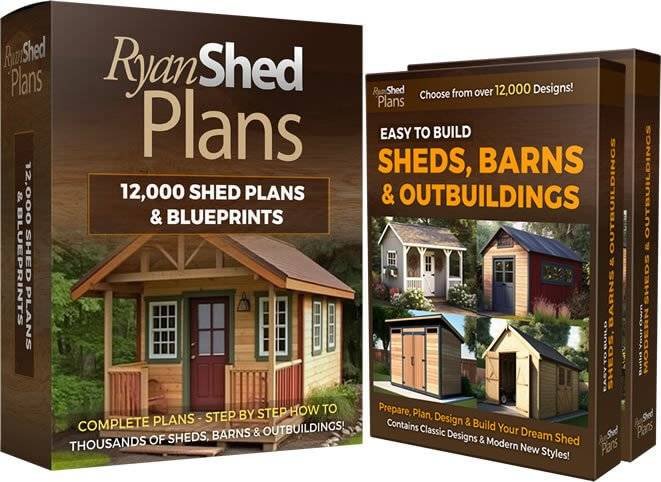
Key Takeaways / Quick Wins
- Best value is reducing guesswork: plan → materials → steps, in a clear order.
- Big win is budgeting: fewer repeat trips, fewer “oops” cuts, less waste.
- Reality is still real: measuring, squaring, base prep, and safe tool handling matter.
- Fit check is non-negotiable: yard space, access, setbacks, drainage, and door swing.
TL;DR / Quick Verdict
Verdict: Based on structure, usability, and buyer-fit, I rate it 4.4/5. This My Shed Plans Review recommends it if you want a guided DIY flow and you’re willing to measure carefully and build safely.
Pros
- Helps you organize the build sequence so steps make sense.
- Materials/cutting guidance supports budgeting and fewer mistakes.
- Useful for beginners who dislike blueprint confusion.
- Works well for typical backyard storage goals.
Cons
- Too many options can feel overwhelming at first.
- Plans don’t replace careful measuring and squaring.
- Local permits/HOA rules still require your verification.
Best for: DIY beginners, weekend builders, families needing organized storage, and homeowners who want to plan once and buy once.
Not for: anyone who wants “zero effort,” dislikes maintenance, or needs professional/engineered builds involving complex utilities.
Trust & Review Transparency
Author: Arshid Hussain Sofi — Independent Review Publisher at Review9.
I publish practical, buyer-first reviews across Home & Garden and DIY resources, focusing on clarity, safety, and value instead of hype. This My Shed Plans Review is written to help you choose the right fit and avoid costly mistakes.
How We Tested My Shed Plans Review criteria: I checked the plan-to-build decision flow (fit/size → materials → sequence), what the buyer must still handle (base, squaring, drainage, tool safety), how expectations should be set for cost and time, and common complaint patterns DIYers face (wrong measurements, skipping prep, buying wrong variant).
Safety & Responsible Use Disclaimer: Follow manufacturer instructions and use proper safety gear. Be cautious with power tools, ladders, lifting, and weather exposure. If your build involves electrical runs, plumbing, structural loads, or you feel unsure at any point, stop and consider professional help. No guaranteed outcomes—results vary by home conditions, skill level, and site constraints.
Table of Contents
My Shed Plans Review — What It Is & Who It’s For ✅
Direct answer: My Shed Plans is a digital plan library aimed at homeowners who want a clearer path from “I need storage” to “I can build a shed safely,” without relying on vague drawings. A solid My Shed Plans Review should judge it on real-life outcomes: fewer measurement mistakes, fewer wasted trips, and clearer build sequencing.
Who it fits best: DIY beginners who want structure, plus intermediate builders who want more design options without starting from scratch. If you’ve ever stared at a blueprint thinking, “How do I get from step A to step B?” the core appeal is reducing that confusion with a repeatable plan-to-build workflow.
Who it doesn’t fit: people who hate measuring, refuse to prep a base, or expect instant results with no learning curve. For mindset and step-by-step execution habits that keep projects moving, our personal development tutorials can help—why it matters: better planning and follow-through directly reduce DIY mistakes and frustration.
Key Specs That Actually Matter (Size, Materials, Capacity) 📏
Direct answer: the “specs” that matter most are not fancy labels—they’re footprint, wall height, roof type, door width, and base requirements. In this My Shed Plans Review context, you want any plan system to make those details obvious early, before you buy lumber or commit to a layout.
Footprint and access are the first filter: measure your available space, include door swing clearance, and leave breathing room for maintenance and drainage. Then match roof style and height to your local weather needs and storage goals. If you plan to store long tools, consider wall height and door width before you choose.
Materials planning is the budget lever: a clear materials list helps you buy what you need once, avoid overbuying, and reduce cut waste. If you care about long-term value, factor in exterior-rated fasteners, roof underlayment, and weather sealing—small upgrades that often prevent big repairs later.
What’s Included in the Box (Access, Plans, Extras) 📦
Direct answer: expect digital access to a plan collection plus supporting guidance that helps you choose a design and build in order. In this My Shed Plans Review, the key is whether the package makes it easy to go from “choose” to “cut” without guessing what each piece is used for.
What you want to see in any plan package is organization: categories by shed size, roof style, and use-case, along with diagrams that clarify how parts connect. The more “where does this piece go?” questions a plan answers upfront, the less likely you are to stall mid-build or waste material correcting early errors.
Helpful extras typically include planning tips, materials/cutting lists, and build sequencing guidance. The most practical benefit is not “more plans,” but a smoother decision flow so you select the right footprint, prep a stable base, and execute steps in a safer order.
My Shed Plans Review — How to Set Up, Use, and Maintain It Daily 🔧
Direct answer: “setup” here means setting up your project—measure, choose a plan that fits, map materials, and follow a step order that prevents rework. This My Shed Plans Review recommends using a checklist approach so you don’t skip the boring steps that protect you later.
Start by measuring the build zone, marking corners, and confirming setbacks and drainage. Next, choose a plan based on how you’ll use the shed (seasonal storage vs daily access), then build your shopping list from the materials/cutting guidance. If your plan mentions base types, treat that as mandatory, not optional—bases affect squareness and door alignment.
Maintenance is simple but essential: keep water away from the base, inspect roof edges seasonally, and watch door alignment for early signs of shifting. A shed that lasts is often the one built square on a stable base, with basic weather sealing and periodic checks—not the one with the fanciest design.
Build Quality & Durability (What Feels Solid vs Flimsy) 🧱
Direct answer: “durability” depends on your base, squareness, fasteners, and weatherproofing more than the plan count. In this My Shed Plans Review, the durable outcome comes from selecting a realistic design and following details that prevent water intrusion and frame twist.
Solid builds usually share common habits: level base prep, consistent framing spacing, exterior-rated fasteners, and proper roof edge sealing. Flimsy builds often come from skipping prep, eyeballing measurements, or using indoor-grade materials outside. No plan can fix rushed workmanship, but a clear plan can reduce confusion that causes mistakes.
If you want “feels solid” results, treat the plan as a standard and your measuring as the enforcement. Re-check corners and diagonals, confirm door openings, and don’t move to the next step until the current one is correct. That’s how sheds stay square and doors keep closing properly over time.
Performance in Real Homes (What to Expect) 🏠
Direct answer: the real “performance” is whether your shed stays dry, opens smoothly, and holds your storage without sagging or shifting. This My Shed Plans Review focuses on what typical US homeowners need: reliable storage, simple access, and weather resilience.
In real backyards, two variables dominate: ground conditions and weather exposure. If your yard has drainage issues, you’ll need a smarter base choice and possibly extra grading—otherwise water will find the weakest points. If you deal with snow or heavy rain, roof pitch and edge sealing become more important than style.
Expect your build timeline to depend on base type, weather, and your comfort with tools. Many homeowners spread the job across one or more weekends. A plan library can keep you moving step-by-step, but your biggest gains come from patience and a clean build sequence.
Ease of Use (Learning Curve, Clarity, Confidence) 👌
Direct answer: ease of use comes down to whether instructions reduce decision fatigue and prevent “what now?” moments. In this My Shed Plans Review, the product is easiest when it guides you through choosing the right design and turns building into a predictable checklist.
Beginners struggle most with sequencing: they cut too early, realize a part doesn’t fit, then backtrack. Clear step order helps prevent that. The second struggle is squareness—if you’re off early, doors won’t align later. Any plan that reminds you to re-check measurements at each phase is doing the “ease” job well.
Confidence grows when visuals match reality: diagrams that show angles, labels that say what pieces are used for, and lists that reduce multiple store trips. The goal isn’t perfection on day one; it’s fewer guesswork moments and a safer, calmer build process.
Noise, Smell, Heat, or Mess Factors (If Relevant) 🔊
Direct answer: building a shed is inherently messy and noisy; the plan’s role is to reduce chaos, not eliminate it. This My Shed Plans Review treats mess as a controllable variable: better planning equals fewer cut-offs, fewer wrong pieces, and less scattered material.
The biggest “mess multiplier” is buying too much lumber at once and not labeling it. Another is cutting without a staging plan. A simple habit helps: label your stacks and keep cut pieces grouped by step or wall section. If your plan materials list is clear, you can purchase in phases and keep your work area manageable.
Safety matters here: noise protection, eye protection, and careful handling of treated lumber or sealants. Keep a clean walkway, secure cords, and don’t rush ladder work. Responsible DIY isn’t just about finishing fast—it’s about finishing safely.
Decision Filter — 5 Questions Before You Buy ✅
Direct answer: if you can answer these five questions clearly, you’ll avoid 80% of “wrong shed plan” regret. Use this Decision Filter as a quick fit test inside this My Shed Plans Review so you buy what matches your space and skill level.
1) Do you know your maximum footprint and door swing clearance? 2) Are you willing to build a proper base (or pay for one)? 3) What durability level do you expect (basic storage vs workshop use)? 4) Are you comfortable with safe tool use and measuring to the 1/16″? 5) What’s your true total cost limit (lumber + base + roofing + weatherproofing)?
If you answered “no” to #1–#2, pause before you buy any plan. If #3–#5 are unclear, start smaller and scale later. For habit-building and staying consistent with step-by-step projects, the self-help tools guide can help—why it matters: consistent routines reduce rushed decisions and improve DIY outcomes.
Scorecard Table — Quality, Performance, Safety, Value ⭐
Direct answer: this scorecard summarizes how the package performs for typical homeowners who want organized planning and fewer mistakes. The ratings in this My Shed Plans Review are an editorial evaluation using common DIY buyer criteria.
Use the notes column like a “why” explanation: high scores mean you’re likely to save time and reduce confusion, while lower scores highlight where you still must do careful work (measuring, base prep, and safety). The goal is a balanced picture—strong guidance, realistic expectations.
Here’s the rubric for quick comparison across options and alternatives:
| Category | Rating (1–5) | Short note |
|---|---|---|
| Build Quality Guidance | 4.5 | Good focus on planning and sequencing; still depends on your measurements. |
| Ease of Use | 4.4 | Best when you follow a checklist flow and don’t jump ahead. |
| Performance Outcome | 4.2 | Strong for typical backyard storage builds; weather resilience depends on materials. |
| Safety/Compliance | 4.0 | Plans can guide, but safe tool use and local rules are always on the builder. |
| Maintenance | 4.1 | Works well if you seal edges, manage drainage, and inspect seasonally. |
| Warranty/Support | 4.3 | Presented with a 60-day guarantee; confirm refund steps before purchase. |
| Value | 4.5 | At $37, value is strongest if it prevents even one major mistake or extra trip. |
Mistakes to Avoid — What Most People Get Wrong ❌
Direct answer: the most common failures are measurement errors, skipping base prep, and rushing the “square and level” steps. This My Shed Plans Review includes these mistakes because they’re the difference between a shed that lasts and a shed that warps.
Mistake #1 is choosing a plan before measuring your yard and access path. Mistake #2 is ignoring drainage and building on soft ground without a proper base. Mistake #3 is cutting lumber before confirming the build order. Mistake #4 is assuming doors “will fit later” even when the frame is slightly out of square.
Mistake #5 is underestimating weatherproofing: roof edges, flashing, and sealing exposed areas. Mistake #6 is unsafe tool use, especially on ladders or with rushed cuts. Your plan can guide you, but your habits—measure twice, check square, build safely—decide the final outcome.
My Shed Plans Review — The Best Part ❤️
Direct answer: the best part is the planning leverage—turning a vague idea into a concrete build roadmap with fewer “guess” moments. In this My Shed Plans Review, that value shows up when you can plan purchases and steps ahead of time, instead of fixing mistakes after money is already spent.
When a plan system is done right, it doesn’t just show a final picture—it helps you avoid the mid-build stall where you wonder what goes where. That’s the moment most DIYers lose momentum. A structured sequence reduces stress, makes budgeting easier, and helps you work in safer, smaller stages.
The second “best part” is confidence: if you can visualize angles, understand what each piece is used for, and follow steps like a checklist, you’re far more likely to finish. For many homeowners, that’s worth more than the plan count—because finishing the shed is the real win.
Price, Bundles, Variants & Overall Value 💳
Direct answer: value depends on whether the package saves you from costly mistakes—wrong lumber, wrong cuts, repeated trips, or a base redo. In this My Shed Plans Review, the displayed price is $37.00, which is compelling if it prevents even one significant error.
Think in “total project cost,” not product price: lumber, base materials, roofing, fasteners, sealant, and tools can add up quickly. If a plan helps you estimate materials accurately and reduces waste, it can pay for itself fast. If you’re upgrading doors, ventilation, or shelving, budget those upgrades before you commit.
If you want the best value, choose a realistic footprint, start with a proven design, and avoid expensive modifications until you’ve built at least one shed successfully. The fastest way to lose value is picking a design that doesn’t fit your yard or your skill level.
Warranty, Returns & Customer Support 🧾
Direct answer: purchase safety comes down to two things—clear access delivery and a refund process you understand before you buy. This My Shed Plans Review presents the offer with a 60-day money-back guarantee, which reduces risk if it’s not the right fit.
Before checkout, verify: what you receive, how access is delivered, and what steps are required for a refund. Most regret comes from buying fast without confirming the return flow. If you treat this like a real project investment, you’ll check the terms first and keep your receipt and order details organized.
Support matters if you get stuck: a common DIY frustration is not knowing whether a step is missing or you misunderstood the diagram. Even great plans can’t replace judgment, but support can help you interpret steps. If you prefer extra reassurance, start with a smaller shed design to reduce complexity.
Compatibility & Fit (Space, Surfaces, Fixtures) 🧩
Direct answer: fit is the make-or-break factor—your yard size, access, slope, and local rules matter more than any plan collection size. In this My Shed Plans Review, the strongest recommendation is to measure first, then choose the plan second.
Check the surface: soft ground, drainage problems, or uneven terrain can turn a “simple shed” into a longer project. If you’re placing a shed near fences or property lines, you may have setbacks or HOA restrictions. Also think about future access: can you open the doors fully, and can you reach the shed in winter or heavy rain?
Compatibility also means lifestyle fit: if you want daily access, door layout and walkway space matter. If you want seasonal storage, ventilation and moisture control matter. Choose the plan that matches how you’ll use the shed, not just how it looks in a picture.
Safety Notes & Responsible Use (DIY vs Pro Install) 🛡️
Direct answer: most shed builds are safe DIY projects when you respect tools, ladders, lifting, and weather exposure. This My Shed Plans Review emphasizes that plans guide the “what,” but safe behavior controls the “how.”
Use safety gear consistently: eye protection, hearing protection, and gloves where appropriate. Work with a stable ladder, avoid cutting when tired, and don’t rush roof work in wind or wet conditions. If you’re adding electrical outlets, lights, or heavy structural changes, consider a professional because code compliance and safety are not optional.
Stop if something feels unsafe or unclear. Re-check measurements instead of forcing parts to fit. A shed that is built slowly and safely is usually the shed that stays straight and functional for years—because shortcuts tend to surface later as leaks, sticking doors, or structural shifts.
Compare Alternatives — Which One Fits Your Home? 🏆
Direct answer: alternatives usually fall into three buckets—prebuilt sheds, DIY shed kits, or other plan libraries. In this My Shed Plans Review, the comparison point is “control vs convenience”: more DIY control saves money but demands careful work.
Prebuilt sheds are fast and convenient, but you pay more and have limited customization. DIY kits can be a middle ground, but you may still face fit issues and higher costs than pure DIY. Other plan libraries can work too, but evaluate them by instruction clarity, labeling, and realistic step order.
A simple decision rule: if you want speed and minimal labor, prebuilt wins; if you want value and customization, a plan library wins; if you want a balance, a kit wins. Choose the option that fits your time, budget, and confidence with tools—not the option that sounds coolest online.
Pros & Cons — Balanced View
Direct answer: the biggest upside is reducing confusion; the biggest downside is that you still must execute carefully. This My Shed Plans Review is positive overall, but only when the buyer commits to accurate measuring and safe build habits.
What I personally liked: clearer planning flow, helpful budgeting angle, and the confidence boost from having a structured path. What I didn’t like: option overload for indecisive buyers, and the fact that some people will blame plans for issues caused by rushed base prep or poor squaring.
If you want a simple win, choose a smaller design first, complete it, then scale up. If you want a perfect-looking shed on the first try, slow down, re-check square often, and treat weatherproofing as part of the build—not an afterthought.
Expert Tips — How to Get More Value Over Time 🧠
Direct answer: the best way to “get more value” is to reduce rework—measure twice, label materials, and build in stages. In this My Shed Plans Review, the difference between success and frustration is rarely the plan itself; it’s your execution routine.
Tip #1: plan your base carefully; it controls everything above it. Tip #2: keep a “cut list board” and check off pieces as you go. Tip #3: pre-seal exposed edges that will face weather. Tip #4: schedule your build around weather; roof work in bad conditions creates mistakes and safety risks.
Tip #5: use buyer scenarios to pick the right shed: a small apartment-style yard needs compact footprint and smart shelving; a family home needs easy access and durability; a DIY beginner needs simpler roof style and fewer modifications. Pick the plan that fits your scenario, not your ego.
Verdict — Should You Buy? 🛒
Direct answer: if you want a structured plan-to-build roadmap and you’re willing to measure carefully, this product is a strong value at $37 with a 60-day guarantee. If you want “no work” results or you won’t follow safety basics, skip it and choose a more convenient option.
Here’s my final guidance: buy if you will measure your space, choose a realistic design, build a stable base, and follow steps in order. Don’t buy if you’re hoping plans will replace skill, patience, or responsible tool use. Used correctly, it’s a practical DIY helper that can save time and reduce costly mistakes.
In closing, this My Shed Plans Review gives a positive recommendation for the right buyer: someone who wants clarity, structure, and budget control, and who understands that safe, accurate execution is the real secret to a shed that lasts.
What I Checked (Proof Cues)
- Fit signals: footprint logic, access considerations, door clearance planning.
- Practical build flow: base prep emphasis, square-and-level reminders, step order sanity.
- Buyer safety: return window visibility, checkout confirmation habits, risk control framing.
- Common complaint patterns: wrong measurements, skipped prep, rushed framing, weak sealing.
Reality Check: A plan library can reduce confusion and improve planning, but it cannot replace accurate measuring, safe tool handling, or local compliance checks. The best results come from steady execution, not rushing.
FAQs
Is My Shed Plans Review worth it if I’m a beginner?
For many beginners, yes—because it creates a structured plan-to-build flow that reduces guesswork. You still must measure carefully, prep a stable base, and follow safe tool practices.
What do you get with My Shed Plans?
You typically get access to a large plan library, diagrams, step-by-step build guidance, and materials/cutting lists to plan purchases and cuts before you start building.
How much does My Shed Plans cost today?
This review shows the entry price as $37.00. Always confirm the final price and terms on the checkout screen before purchasing.
Does it work for small backyards?
It can, if you choose a design that fits your measured footprint and you follow local setbacks or HOA rules. The best plan is the one that fits your space and usage.
Do I need advanced tools to build a shed?
Not always. Many basic sheds can be built with common tools like a saw, drill/driver, measuring tape, level, and safety gear. Larger designs and upgrades raise difficulty.
What are the downsides?
Option overload, the need for careful measuring and squaring, and the fact that plans can’t replace safe tool use or local compliance. Most failures come from rushing prep steps.
How long does a typical shed build take?
It varies by size, base type, weather, and skill. Many DIYers spread the project across one or more weekends, with base prep often being a major time block.
What is the warranty and return policy?
This product is presented with a 60-day money-back guarantee. Confirm the exact refund steps and window on the order page you buy from.
Is it legit or a scam?
Legitimacy depends on consistent delivery of access and support. Before purchase, confirm what’s included, how access is delivered, and the refund process so you buy safely.
What should I check before choosing a plan?
Footprint, height, roof type, door clearance, drainage, base requirements, and any ventilation/electrical needs—then match the plan to your budget and comfort level.