Save The Marriage System Review
This Save The Marriage System Review is for anyone who feels the relationship slipping into distance, repeated conflict, or quiet resignation and wants a practical roadmap—not vague advice. In this Save The Marriage System Review, you’ll see what’s inside, what it does well, where it may fall short, and how to decide quickly if it matches your situation.
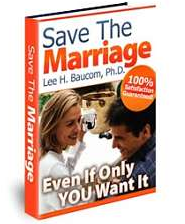
Fast highlights (busy-reader version)
- Core idea: stabilize first, then rebuild safety, then rebuild connection (explained in this Save The Marriage System Review).
- Format: downloadable modules + exercises + practical scripts.
- Best fit: someone willing to do consistent “micro-actions” daily.
- Risk: if you want your spouse to change first, you’ll feel frustrated.
- Bottom line: clear structure and timing focus—results depend on effort and context.
Tip: read “Who should avoid it” in this Save The Marriage System Review before you buy.
TL;DR Verdict: This Save The Marriage System Review finds it most useful for structured, calm behavior change—without magical promises.
Today’s typical price: $47 (USD)
Top pros (what you’ll likely like)
- Clear “do this / don’t do that” focus for high-stress moments.
- Practical timing: what to do now vs. later (reduces self-sabotage).
- Works for “one person starts” without needing permission first.
- Good for habit building: small actions compound into momentum.
- Refund policy reduces purchase risk (read terms carefully).
Top cons (be honest with yourself)
- No instant turnaround—effort, consistency, and your situation matter.
- Some readers want more live coaching or community accountability.
- If safety is at risk, you need local, real-world support first.
Best for: people who want structure + calm scripts.
Not ideal for: anyone looking for a “one message fixes it” shortcut.
Key Takeaways / Quick Wins
- Start by removing what escalates (pressure, debates, threats).
- Use short, non-defensive statements; end conversations early.
- Pick one daily micro-action that reduces friction and rebuilds safety.
- Track what works like a habit loop: cue → action → reward.
Table of Contents
Trust & Review Transparency
Author: Arshid Hussain Sofi — Independent Review Publisher at Review9. I publish independent reviews of digital courses, personal development programs, and habit-building frameworks, and I’ve personally purchased and tested ClickBank/WarriorPlus-style digital products over time.
How we tested this Save The Marriage System Review: we evaluated content clarity, structure, exercises, practicality under a busy schedule, ease for beginners, friction reduction, and purchase safety (refund/support terms). We also stress-tested ideas with realistic scenarios—limited time, emotional triggers, consistency challenges—so the Save The Marriage System Review includes both strengths and limitations.
Quick links: /about/ • /contact/ • /disclaimer/ • Permalink: https://review9.in/save-the-marriage-system-review/
If you’re also browsing other relationship/self-improvement resources, see our self-help tools guide and personal development tutorials for practical, step-by-step learning paths similar to the approach discussed in this Save The Marriage System Review.
Note: This page is educational and informational only—not mental health care. If you feel unsafe or are in immediate crisis, contact local services or trusted professionals in your area. This Save The Marriage System Review is not a substitute for urgent help.
Save The Marriage System Review — What It Is & Who It’s For ✅
Direct answer: this Save The Marriage System Review covers a structured, self-paced relationship repair program built around practical steps, timing, and behavior shifts rather than “talk more” advice. If you want a clear map you can follow without guessing, this Save The Marriage System Review shows you the strongest parts and the limits.
Think of it less like a motivational pep talk and more like a guided playbook: what to do first, what to avoid when your spouse is pulling away, and how to respond when emotions spike. Many buyers are in the “one-person starts” situation—where the motivated partner is trying to stop a slide toward separation while the other partner is skeptical or exhausted. This Save The Marriage System Review focuses heavily on that reality.
Who it’s for: anyone willing to do small, repeatable actions that build momentum over weeks—especially if you need a plan that fits life. Who it’s not for: someone who wants a quick trick, a single script, or a guarantee. In this Save The Marriage System Review, the theme is consistency: disciplined choices often create a predictable shift in tone and trust over time.
Safety & Ethics — Boundaries, Mindset Traps & Red Flags 🛡️
Direct answer: use any relationship program only where safety and consent exist, and prioritize real-world support if there’s intimidation, threats, or harm. This Save The Marriage System Review is built around reducing escalation, not pressuring someone.
The biggest mindset trap is “winning them back” instead of rebuilding stability. That goal creates anxious urgency, which often triggers the exact behaviors that push a partner away. The healthier frame (repeated throughout this Save The Marriage System Review) is: lower friction, raise emotional safety, and become consistent. Over time, consistency is what changes the atmosphere.
Red flags that require outside help: ongoing abuse, fear, stalking, coercive control, or severe substance issues. Also, if you’re using “techniques” to corner your spouse into staying, that’s a long-term loss even if you win short-term. The best guidance in this Save The Marriage System Review is the simplest: calm, respectful, repeatable actions.
Evidence & Psychology — What Research Suggests (Realistically) 🔬
Direct answer: relationship improvement is most reliable when it targets patterns (cycles), not just feelings, and uses consistent behavior change over time. A practical takeaway from this Save The Marriage System Review is to change the loop you keep repeating.
Many couples live inside a habit loop: trigger → fight/withdraw → short relief → more distance. Programs tend to work when they help you interrupt the loop and replace it with a lower-friction response. That’s why small actions—tone, timing, and stopping escalation—can be more powerful than deep emotional debates in the early stage, a theme you’ll see again in this Save The Marriage System Review.
No guide can guarantee another person’s choices. But changing your side of the equation often shifts how interactions feel. This Save The Marriage System Review focuses on leverage: consistent behaviors, accountability, and “if-then” implementation intentions so you don’t default to old patterns when stressed.
Save The Marriage System Review — How It Works (Mindset → Behavior → Results) 🔄
Direct answer: the system’s logic is “stabilize first, then rebuild safety, then rebuild connection,” using small actions that compound. This Save The Marriage System Review highlights that instead of chasing big breakthroughs, you practice repeatable behavior change that lowers conflict and raises trust over time.
First, it aims to stop self-sabotage. In a crisis, people often do more of what feels urgent (argue, demand, convince, plead), but those moves increase friction. A steadier approach is to change your timing: shorter conversations, fewer debates, and clearer boundaries. This Save The Marriage System Review emphasizes that once the emotional temperature drops, your spouse has room to experience you differently.
Then it shifts to rebuilding: practical actions that communicate respect and consistency. You don’t “feel inspired” into a better relationship; you behave your way into a better relationship. The central message of this Save The Marriage System Review is that stability changes the environment, and environments shape willingness.
Core Framework Deep-Dive — The Methods, Exercises & Tools 🧠
Direct answer: the strongest value is the “what to do next” structure—especially exercises that reduce escalation and improve timing. In this Save The Marriage System Review, the framework reads like a sequence: remove damaging reactions, diagnose where you are, then apply the right steps.
The modules emphasize actionable tools: avoiding common mistakes, diagnosing your stage, and using simple changes to build momentum. The best exercises often feel “almost too simple,” but they work because they reduce friction—less arguing, fewer long talks at the worst times, and more respectful short exchanges. This Save The Marriage System Review repeatedly comes back to that point: small wins become big shifts.
If you’ve tried generic relationship books, the difference here is the crisis orientation. When trust and patience are low, your goal isn’t deep connection immediately. Your goal is to stabilize the relationship climate—an idea this Save The Marriage System Review treats as the foundation of everything else.
How to Use It — Daily Routine, Time Needed & Implementation ⏱️
Direct answer: plan for 10–25 minutes per day plus one weekly review, and treat it like habit-building—not a binge-read. This Save The Marriage System Review recommends applying one change at a time, then repeating it until it becomes your default.
A simple routine: (1) read a small portion, (2) pick one micro-action, (3) use it during a real interaction, (4) note what changed. This is implementation intention thinking: “If the conversation gets tense, I will pause, lower my voice, and end the talk respectfully.” In this Save The Marriage System Review, that “if-then” structure is how you stop old patterns from hijacking you.
Mistakes most people make (and the fixes): they do too much too fast (fix: one change per week), they talk when emotions are high (fix: timing and shorter chats), and they measure progress by one day (fix: track a 14-day trend). This Save The Marriage System Review is most useful when you use it like training, not entertainment.
Pros & Cons Snapshot (quick scan)
Pros
- Clear structure for “what to do next” (as detailed in this Save The Marriage System Review).
- Good for rebuilding consistency under stress.
- Helpful for people starting alone.
- Focus on timing reduces fights that go nowhere.
Cons
- Not a replacement for urgent, local support.
- Requires patience and repetition to work.
- Some people prefer live coaching accountability.
What to Expect — Realistic Timeline of Progress ⏳
Direct answer: most people notice small shifts within 1–2 weeks (less escalation), with deeper changes typically taking several weeks of consistency. This Save The Marriage System Review recommends measuring momentum, not perfection.
Early-stage progress often looks boring: fewer long fights, fewer “talks that end badly,” and more neutral interactions. That’s actually a win because it rebuilds emotional safety. A key point in this Save The Marriage System Review is that safety creates willingness over time.
A realistic way to measure success is to track fewer blowups, better recovery after tension, and more respectful tone. If you focus only on “are we romantic again yet,” you’ll miss the early signals that the relationship climate is improving, which this Save The Marriage System Review considers the real starting line.
Quality Check — Content Depth, Clarity, Support & Updates 🧪
Direct answer: the content is strongest on clarity and actionability; support depends on the seller’s current setup, and updates vary. This Save The Marriage System Review treats it primarily as a self-paced system, with purchase safety handled by refund terms.
Scorecard (quick rubric): use this to decide if the program matches your needs and your personality. If you love structure, you’ll likely rate it higher. If you prefer a therapist-style guided process, you may feel it’s missing live feedback—something this Save The Marriage System Review flags as a preference issue, not a “good/bad” verdict.
| Category | Rating (1–5) | Notes |
|---|---|---|
| Content clarity | 5 | Direct, practical, and easy to follow for beginners. |
| Actionability | 5 | Strong “do this next” guidance; good for busy schedules. |
| Time requirement | 4 | Works with micro-actions, but consistency is required. |
| Support confidence | 4 | Refund/support policies exist; confirm current process at purchase. |
| Value for price | 4 | Good if you apply it; less valuable if you only read without action. |
| Refund confidence | 4 | Policy reduces risk, but follow instructions and keep receipts. |
Who Should Avoid It — Not a Fit If… 🚫
Direct answer: skip it if you need immediate safety intervention, if you’re seeking guaranteed outcomes, or if you’re unwilling to change your own patterns first. This Save The Marriage System Review is clear: self-help works when you practice new behaviors repeatedly.
Decision Filter (5 quick questions): (1) Can you commit to 10–25 minutes daily for 30 days? (2) Can you stop “winning” conversations and start stabilizing them? (3) Can you handle slow, steady progress instead of instant proof? (4) Are you willing to reduce friction even when your spouse is cold? (5) Will you track a weekly trend rather than judging one bad day? This Save The Marriage System Review suggests answering honestly before buying.
If you answered “no” to two or more, consider alternatives below. And if you’re already dealing with severe ongoing hostility, you may benefit from structured outside support first. This Save The Marriage System Review is at its best when you can create a calmer environment and use the steps consistently.
Compare Alternatives — Which Option Fits You? 🏆
Direct answer: if you want science-based relationship frameworks, consider well-known books/programs; if you want crisis-focused step-by-step guidance, this system may feel more immediately practical. This Save The Marriage System Review recommends choosing based on learning style and crisis stage.
Two credible alternatives many US readers compare: The Seven Principles for Making Marriage Work (Gottman-style research framing) and Hold Me Tight (emotion-focused connection). These are strong for insight and long-term understanding, but some people still want a crisis playbook that tells them what to do tomorrow morning—exactly the angle this Save The Marriage System Review evaluates.
| Option | Best for | Potential downside | Choose if… |
|---|---|---|---|
| Save The Marriage System | Crisis timing + structured steps | Requires repetition; not live coaching | You need a practical plan and can act consistently |
| The Seven Principles (Gottman) | Research-backed relationship habits | Less “crisis triage” feel | You want a strong foundation and long-term tools |
| Hold Me Tight | Emotional bond + connection patterns | Harder when conflict is very hot | You want deeper emotional reconnection guidance |
Real-World Experiences — Common Patterns & Outcomes 🗣️
Direct answer: the most common pattern is “less conflict first, connection later,” and that’s normal. This Save The Marriage System Review suggests focusing on weekly trends rather than judging one conversation.
In real usage, many buyers report that once they stop pressuring for big talks, the relationship becomes less defensive. That doesn’t mean everything is fixed; it means the environment is safer. From there, small positive interactions can return—humor, cooperation, and moments of warmth that were missing. This Save The Marriage System Review treats those as meaningful progress signals.
The failure pattern is also predictable: reading a lot, doing little, then concluding “it didn’t work.” Self-help programs are skill training. When you apply the steps, you change what your spouse experiences—often without needing a dramatic speech, which is a central conclusion in this Save The Marriage System Review.
If you like structured, behavior-focused learning, you may also enjoy our in-depth reviews on Review9: The Ex Factor 2.0 Review, Blackout Protocol Review, What Men Secretly Want Review, EMP Survival Strategy Review, Be Irresistible Review.
Save The Marriage System Review — The Best Part ❤️
Direct answer: the best part is the emphasis on timing, calm consistency, and stopping self-sabotage—because those are the moves that keep people stuck. This Save The Marriage System Review highlights that it helps you act in a way that makes future conversations possible.
Many struggling partners are trapped in a cycle of “try harder” and “talk more,” but the relationship climate is too tense for that to work. The system’s greatest strength is that it gives you a way to lower the temperature first. This Save The Marriage System Review argues that once you rebuild basic respect and predictability, deeper connection becomes possible.
In plain terms: it’s a playbook for acting like the steady version of you—especially when your emotions are screaming to react. That identity shift is the foundation of change: you become consistent, and consistency rebuilds trust, a point this Save The Marriage System Review treats as non-negotiable.
Price, Bundles, OTOs & Overall Value 💳
Direct answer: the typical advertised price is around $47 USD, and value is highest if you actually apply the steps for a full month. This Save The Marriage System Review suggests keeping receipts and reading any add-ons carefully at checkout.
Some digital offers include optional upgrades (often called upsells/OTOs). If you see them, treat them as optional—not required—and decide based on your needs: do you want more structure, accountability, or deeper content? If you’re on a budget, the core system is usually enough to start building momentum, as described in this Save The Marriage System Review.
Value comparison: the cost of a single counseling session in many US areas can exceed the cost of the full program, but the tradeoff is you’re responsible for applying it. If you’re the kind of person who follows a plan, this Save The Marriage System Review leans positive on value for the price.
Refunds, Guarantees & Customer Support 🧾
Direct answer: refund policies reduce purchase risk, but you should follow the stated steps, keep purchase details, and request within the allowed window. This Save The Marriage System Review recommends reading the policy on the purchase page because terms can be updated.
A practical approach: treat the first week as “stabilization training,” weeks two and three as “consistency,” and week four as “expansion.” If you’re not using it, don’t expect it to work. This Save The Marriage System Review emphasizes that if you are using it and still feel it’s not a fit, refund terms are your safety net.
For support, use the official support channels provided after purchase. Keep communication polite and specific: order details, issue, and what you want (help or refund). That’s the fastest way to get resolution, and it’s the same recommendation repeated throughout this Save The Marriage System Review.
Access, Devices, Downloads & Lifetime Updates 📦
Direct answer: access is typically digital and self-paced, designed to work on common devices. This Save The Marriage System Review notes that because it’s downloadable, you can start quickly and revisit sections as needed.
The best way to use it is not to read everything at once. Save key pages, highlight scripts you’ll actually use, and build a short weekly plan. This Save The Marriage System Review suggests that when stress hits, you want a simple reference—not a massive reading backlog.
If you’re a “notes person,” create a one-page cheat sheet: what not to do, your daily micro-action, and your conversation boundary. This Save The Marriage System Review treats that cheat sheet as a friction-reduction tool that keeps you consistent under pressure.
Creator Background & Platform Compliance 🏷️
Direct answer: the program is positioned as professional relationship guidance delivered in a structured format. This Save The Marriage System Review recommends treating it as educational content and avoiding pressure tactics.
In general, reputable self-help products avoid guarantees and emphasize effort and context. That matters for trust: a program can be helpful without claiming it will work for everyone. This Save The Marriage System Review reflects that reality: tools can improve your approach, but they can’t override another person’s choice.
The best compliance mindset is simple: use strategies to improve your behavior and your relationship environment, not to “make” an outcome happen. That ethical frame is repeated across this Save The Marriage System Review because it’s how long-term trust is rebuilt.
Our Review Criteria — How We Evaluate Self-Help Programs 🧭
Direct answer: we evaluate self-help programs on clarity, practical exercises, time demands, realistic framing, purchase safety, and usability for busy people. This Save The Marriage System Review also includes information-gain assets like a decision filter, scorecard, and mistakes-to-avoid guidance.
We prioritize “doability”: can a normal person implement it when tired, stressed, and busy? That’s where many programs fail. This Save The Marriage System Review values steps that reduce friction, scripts that don’t escalate conflict, and micro-actions that become automatic with repetition.
We also evaluate honesty: does it acknowledge limitations and who it’s not for? Strong programs don’t promise magic. They give you a map and let your effort do the work—an expectation we hold consistently in this Save The Marriage System Review.
Pros & Cons — Balanced View
Direct answer: the pros are structure, timing, and actionable steps; the cons are that it’s self-driven and not a guarantee. This Save The Marriage System Review suggests it’s “worth it” when you’ll actually practice consistently.
Pros: clear guidance in high-stress moments, useful for people starting alone, and strong habit-building emphasis. It helps you avoid reactive mistakes that often accelerate divorce conversations. This Save The Marriage System Review treats “timing” as a major advantage: do the right thing at the right time.
Cons: it’s not live therapy, and it doesn’t replace urgent support if safety is involved. Also, if you’re expecting your spouse to change first, you may feel stuck. This Save The Marriage System Review concludes the system works best when you become the stable leader of the next interaction.
Expert Tips — How to Get Better Results (Without Overwhelm) 🧠
Direct answer: pick one behavior change at a time, repeat it until it becomes automatic, and track progress weekly. This Save The Marriage System Review emphasizes that consistency beats intensity—especially when emotions spike easily.
Use a simple accountability rule: “I don’t have long talks when tense.” That boundary prevents the spiral. Then add one positive micro-action daily (a respectful message, a calm tone, a small helpful act) without demanding anything back. This Save The Marriage System Review notes that over time, these actions change the pattern because you’ve changed the input.
Finally, reduce friction: remove triggers where possible (late-night debates, texting arguments, accusatory questions). Make good behaviors easy and bad behaviors harder. If you do that, this Save The Marriage System Review aligns with what works in real life: stable behavior creates a safer environment.
Verdict — Should You Buy? 🛒
Direct answer: buy it if you want a structured plan and can commit to daily micro-actions for at least 30 days; skip it if you want instant results or need urgent real-world intervention. This Save The Marriage System Review frames it as a map—not a miracle.
If your marriage is in a high-conflict loop, your first win is stability. Once stability returns, you can rebuild safety and eventually connection. This Save The Marriage System Review repeatedly emphasizes the “mindset → behavior → results” model because it’s how change sticks under pressure.
Final take: this Save The Marriage System Review is a strong fit for people who want clear steps, realistic expectations, and a calm way to lead change without forcing it. If you’re ready to start today, the system is priced low enough to test—while keeping in mind that outcomes depend on effort and context.
Frequently Asked Questions
Is Save The Marriage System Review legit or a scam?
It’s a structured self-help program sold as a digital system. This Save The Marriage System Review suggests judging “legit” by fit: consistent application can help your approach, but outcomes vary because relationships involve two people.
Who is it best for?
This Save The Marriage System Review finds it best for someone who wants a step-by-step plan, can practice daily micro-actions, and is willing to change timing and tone even if their spouse is skeptical at first.
How long does it take per day?
Most people do best with 10–25 minutes per day plus a weekly review. This Save The Marriage System Review recommends consistency over long sessions.
What are the downsides?
The main downsides are that it’s self-driven and not live therapy, and it won’t replace urgent local support if safety is a concern. This Save The Marriage System Review also notes it won’t “force” a spouse to change instantly.
Is it worth it for beginners?
Yes, if you prefer clear steps and short scripts. This Save The Marriage System Review suggests beginners often benefit from structure because it reduces emotional improvisation.
Does it include bonuses or upsells?
Many offers include bonuses, and some checkouts may present optional upgrades. This Save The Marriage System Review recommends treating upgrades as optional and deciding based on needs and budget.
What if my spouse refuses to participate?
The system is positioned to be usable even if you start alone. This Save The Marriage System Review suggests the realistic goal is to change the interaction environment first, then invite engagement later.
Is there a refund policy?
Refund terms can vary by seller/process. This Save The Marriage System Review recommends reading the current instructions on the purchase page, keeping receipts, and following the steps within the allowed timeframe.
Can this replace marriage counseling?
No. It’s educational self-help. This Save The Marriage System Review recommends professional local support for complex or safety-related situations.