Lottery Defeated Review
This Lottery Defeated Review is for people who already buy lottery tickets and want a cleaner, calmer way to pick numbers, track plays, and avoid emotional “chasing.” If you’re expecting guaranteed wins, you’ll be disappointed—but if you want structure, a routine, and a more deliberate approach, it may be worth a look.
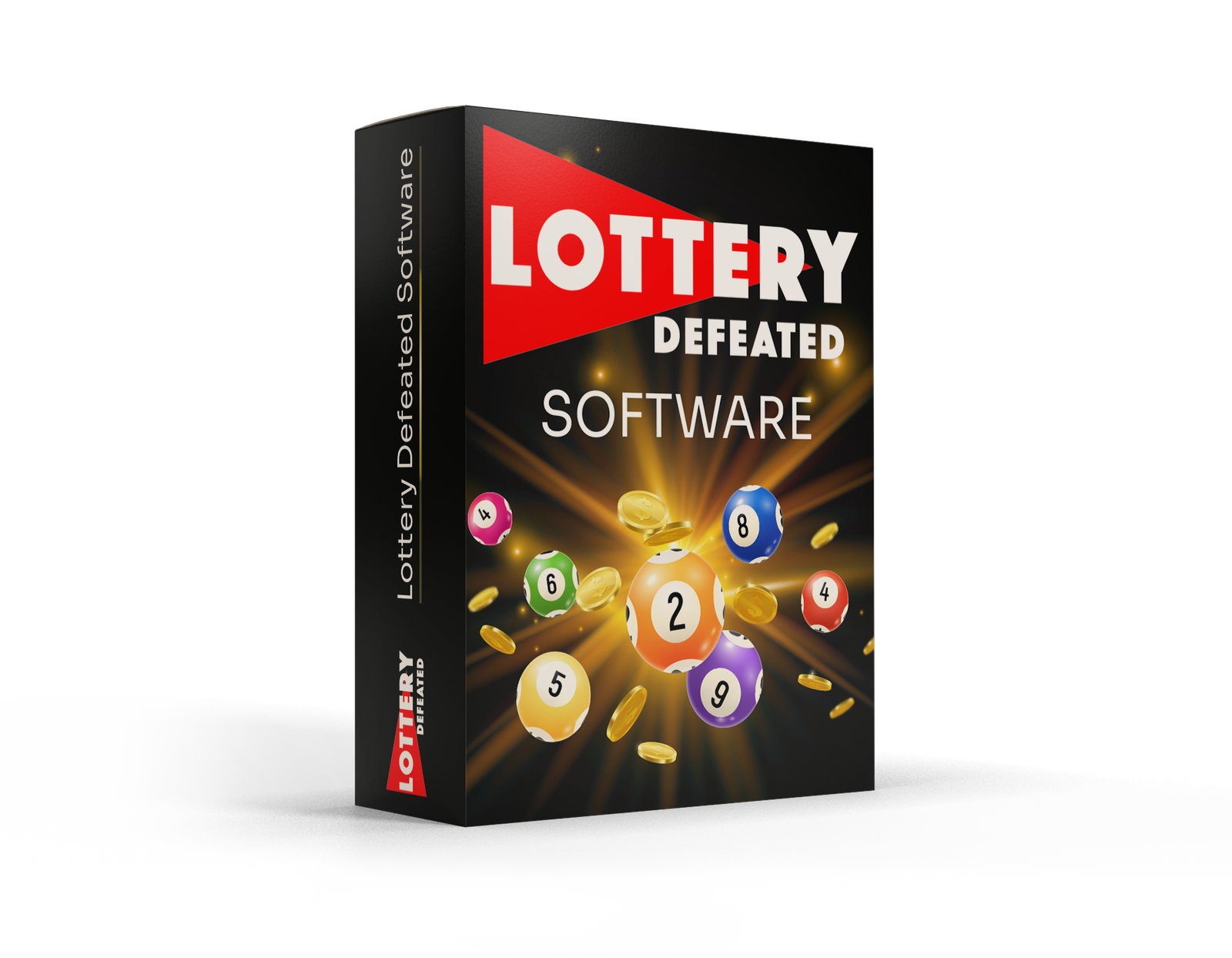
- Play fewer decisions: one game, one schedule, one budget—less mental friction (a key theme in Lottery Defeated Review).
- Audit your behavior: tracking turns “hope” into measurable habits and reduces impulsive buys, as shown in Lottery Defeated Review.
- Protect your baseline: treat tickets like entertainment, not an income plan—core rule repeated in Lottery Defeated Review.
- Make it identity-based: “I’m the kind of person who stays consistent and within budget.”
Verdict: Worth it for disciplined players who want structure; skip if you want certainty. This Lottery Defeated Review is strongest as a routine-and-tracking tool, not a promise of winnings.
Pros
- Simple workflow for number generation + tracking
- Helps reduce decision fatigue and randomness
- Encourages consistent, budget-based play
- Useful “one place” dashboard style concept
Cons
- Marketing can feel hype-heavy (expectation trap)
- Value depends on discipline, not “secret math”
- Optional add-ons may appear at checkout
Author: Arshid Hussain Sofi — Independent Review Publisher at Review9
I publish hands-on reviews of digital courses, personal development programs, and habit-building frameworks—especially ClickBank/WarriorPlus-style products—with a focus on clarity, usability, and realistic expectations (including Lottery Defeated Review).
If you want more structured learning frameworks beyond lottery tools, explore our self-help tools guide and personal development tutorials.
How We Tested Lottery Defeated Review
We evaluated the product like a real buyer would: clarity of the workflow, practicality on a busy schedule, how it reduces friction, how it supports consistency and accountability, and whether it avoids making unrealistic guarantees. We include both pros and cons so the verdict stays balanced—this is the standard used across Review9 and applied in Lottery Defeated Review.
Helpful pages: About • Contact • Disclaimer
This is educational content, not financial advice. Lottery play should be treated as entertainment. If you feel out of control or in crisis, contact local services in your area.
Lottery Defeated Review — What It Is & Who It’s For ✅
Direct answer: Lottery Defeated is positioned as a web-based system that generates number combinations, tracks plays, and adds structure to lottery habits—so you can stay consistent and reduce impulsive decisions.
In this Lottery Defeated Review, the most realistic way to understand the offer is: it’s a “routine + dashboard” experience for people who already play. It packages features like a “smart pick” generator, draw history views, and checking tools into one place. For busy adults, that structure can reduce decision fatigue, because you stop re-inventing your approach every draw and start following one repeatable routine (the core promise discussed throughout Lottery Defeated Review).
Who it’s for: someone who wants a calmer process, can commit to a fixed budget, and wants a system that lowers friction (less searching, less guessing). Who it’s not for: anyone expecting guaranteed results, anyone who tends to chase losses, or anyone who believes a tool can “crack” a truly random draw. A healthier mindset is: this helps you organize choices and behavior change—not control outcomes, which is the central guardrail in Lottery Defeated Review.
- Can I set a budget and accept I may lose it without stress?
- Do I want structure more than excitement and chaos?
- Will I use tracking to reduce emotional buying?
- Can I commit to one game and one schedule for 30 days?
- Am I okay treating this as entertainment, not income?
Safety & Ethics — Boundaries, Mindset Traps & Red Flags 🛡️
Direct answer: The biggest risk is not the tool—it’s the story you tell yourself. If a product makes you feel certain, urgent, or “owed,” it can push unhealthy spending and disappointment.
Lottery marketing often leans on high emotion: fear of missing out, scarcity timers, “secret formulas,” and social proof. In this Lottery Defeated Review, the ethical line is simple: no one can promise outcomes, so your boundaries matter. Think of it like habit loops—cue (a big jackpot headline) → routine (buy tickets) → reward (hope). If you don’t add friction reduction in the right places (budget caps, set days, strict stop rules), the loop can run you instead of serving you, which is why Lottery Defeated Review keeps returning to boundaries.
Red flags to watch: “all winners,” “predict,” or “guaranteed” language; pressure to keep buying more tickets; and upsells that push bigger spend. A healthier alternative is implementation intentions: “If I feel urgency, then I skip this draw.” That single rule protects your identity-based habit (“I’m disciplined with money”) and keeps the tool in the entertainment lane—exactly the safe framing used in Lottery Defeated Review.
- Mistake: Changing strategy every draw. Fix: One game, one routine for 30 days.
- Mistake: Chasing losses after a “near miss.” Fix: Pre-set stop rules and skip the next draw.
- Mistake: Buying more tickets to feel in control. Fix: Track spend weekly and cap it.
- Mistake: Treating marketing stories as evidence. Fix: Judge the tool by usability, not hype (a key test in Lottery Defeated Review).
Evidence & Psychology — What Research Suggests (Realistically) 🔬
Direct answer: Tools can improve consistency and reduce impulsive choices, but they can’t convert a random draw into certainty; the “win” is often behavioral—spending control, routine, and clarity.
The strongest “research-aligned” angle here isn’t number prediction—it’s decision design. When you standardize a process, you reduce cognitive overload and avoid spur-of-the-moment buying. That’s why a structured system can feel powerful: it moves you from chaos to routine. In Lottery Defeated Review, this is framed as the practical benefit: you’re building a repeatable process, not chasing an illusion of control.
In this Lottery Defeated Review, treat “analysis” features as organization tools, not proof of future outcomes. Your best edge is consistency and boundaries, not magic. If you want a better long-term financial outcome, building the habit of saving and investing usually beats lottery spending—but for people who still want to play, structure helps keep it safe and intentional, which is the most defensible takeaway of Lottery Defeated Review.
Lottery Defeated Review — How It Works (Mindset → Behavior → Results) 🔄
Direct answer: The system works best when it changes how you play: fewer random decisions, more tracking, and a repeatable routine that supports consistency and accountability.
Based on the typical feature set described for Lottery Defeated, the workflow is straightforward: choose a game, generate a set of numbers, and then use built-in tracking/checking to stay organized. That can be useful because many players don’t actually remember what they played or how much they spent. In this Lottery Defeated Review, the “real mechanism” is behavior change: remove decision noise, stick to one plan, and keep your spending visible—this is the “mindset → behavior → results” ladder emphasized in Lottery Defeated Review.
Think of it as a three-step loop: Mindset (entertainment, not income) → Behavior (scheduled play + budget cap) → Results (less regret, less chasing, more control). That is how many productivity systems work: they don’t guarantee outcomes, they create conditions. If you use Lottery Defeated inside those conditions, it becomes a tool. If you use it to chase certainty, it becomes a trap—an important boundary repeated across Lottery Defeated Review.
Core Framework Deep-Dive — The Methods, Exercises & Tools 🧠
Direct answer: Expect a small set of “tools” that simplify how you choose numbers and keep records; the deeper value is the process you build around it.
Most offers in this category bundle features like number generation (often called “smart pick”), historical result browsing, and a ticket checker or matcher. In this Lottery Defeated Review, that bundle can be helpful if you’ve never tracked anything before: it gives you a place to store your routine and prevents the common habit of buying tickets impulsively with no record. The “exercise” is not math; it’s the discipline of following one set routine—this is why Lottery Defeated Review focuses heavily on repeatability.
Used correctly, the program becomes a small accountability system: you decide once, then repeat. That’s the same principle behind habit building—make your next action obvious and easy, and keep rewards immediate. Your immediate reward here should be “I stayed within budget” and “I followed the plan,” not “I won.” That reframing is what keeps the system healthy, and it’s the central realism filter in Lottery Defeated Review.
How to Use It — Daily Routine, Time Needed & Implementation ⏱️
Direct answer: Keep it simple: set a weekly spend, pick one game, generate numbers once per draw, track everything, and stop when emotions rise.
A realistic “busy schedule” routine looks like this: once per draw cycle, log in, generate a small set of combinations, write them down, and buy only what fits your budget. Then track your ticket numbers and check results at a set time. If you want better consistency, tie it to a fixed cue (after dinner on draw days) and keep the routine short so you don’t quit. That’s friction reduction in action—one of the most practical sections in Lottery Defeated Review.
Implementation intention that works: “If I feel urgency, then I skip.” The fastest way to ruin any self-help program is overwhelm—too many plays, too many combinations, too much time. In this Lottery Defeated Review, the best use-case is minimalism: fewer tickets, fewer decisions, clearer tracking. That protects your motivation and keeps your behavior stable over time, which is a recurring theme in Lottery Defeated Review.
What to Expect — Realistic Timeline of Progress ⏳
Direct answer: The first “progress” is behavioral: better control and less stress in 7–14 days; outcomes depend on luck, but your routine becomes predictable.
Week 1: you build the baseline—set a budget, pick a schedule, and track every play. Week 2: you notice emotional triggers and stop chasing them. Week 3–4: the routine becomes automatic, because the plan is clear and the steps are small. This is how most behavior change happens: repetition beats motivation. When people say “systems work,” they often mean the system helps them show up consistently—this is the real “result” defined in Lottery Defeated Review.
In this Lottery Defeated Review, don’t measure success by “wins.” Measure it by whether you’re staying within limits and feeling calmer. If you find yourself checking constantly, increasing spend, or feeling anxious, stop. The best long-term result is protecting your financial baseline while still enjoying the entertainment factor responsibly—an important conclusion inside Lottery Defeated Review.
Quality Check — Content Depth, Clarity, Support & Updates 🧪
Direct answer: Quality here is about usability: how clear the workflow is, how easy it is to repeat, and how well it avoids misleading expectations.
When we score products like this, we prioritize clarity and routine fit: can a beginner follow it without confusion, and can a busy person use it in under 15 minutes? We also look at expectation discipline—does the product push “guarantees,” or does it encourage responsible behavior? In this Lottery Defeated Review, the practical value is highest if the interface is straightforward and the steps are consistent, which is why Lottery Defeated Review ranks usability above hype.
Below is a simple scorecard you can use to decide fast. If you need deeper self-improvement frameworks that don’t rely on chance, you’ll likely get more predictable gains from structured learning on Review9, including our Davids Shield review or the broader self-help tools guide. That comparison intent is part of what makes Lottery Defeated Review useful as a buyer’s checklist.
Scorecard / Rubric (1–5)| Category | Rating | Notes (short + practical) |
|---|---|---|
| Clarity | 4/5 | Easy concept: generate, track, repeat. The key is expectation setting (as explained in Lottery Defeated Review). |
| Time Cost | 4/5 | Fits 5–15 minutes if you keep plays minimal (recommended in Lottery Defeated Review). |
| Practicality | 3/5 | Helpful for organization; outcomes still depend on luck (core realism note in Lottery Defeated Review). |
| Support | 3/5 | Typical digital support; verify inside your receipt/member area (a standard step in Lottery Defeated Review). |
| Value | 3/5 | Worth it only if you use it to reduce impulsive spend, as emphasized in Lottery Defeated Review. |
| Refund Confidence | 3/5 | Often time-based; confirm exact terms at checkout (highlighted in Lottery Defeated Review). |
Who Should Avoid It — Not a Fit If… 🚫
Direct answer: Skip it if you want certainty, if you chase losses, or if lottery spending already strains your budget or mental wellbeing.
If you’re buying tickets because you feel desperate, anxious, or behind in life, a lottery tool won’t solve the underlying problem—and hype can make it worse. In this Lottery Defeated Review, the most important filter is emotional: do you feel calm and in control, or do you feel urgent and compelled? Compulsion is a signal to stop and rebuild your baseline first, which is why Lottery Defeated Review draws a hard line on “chasing.”
Also avoid it if you’re looking for a “productivity system” that produces predictable results. Chance-based outcomes are inherently unpredictable. If what you really want is financial progress, habit building around budgeting, saving, and skill growth is more reliable. Start with training-style programs (and consistent routines) rather than luck-chasing—this is the “not for you” section reinforced in Lottery Defeated Review.
Compare Alternatives — Which Option Fits You? 🏆
Direct answer: If your goal is predictable improvement, choose a habit framework; if your goal is organized entertainment play, a tracking tool may be fine.
Two real self-help alternatives worth considering: Atomic Habits (identity-based behavior change) and Tiny Habits (small steps, high consistency). These options don’t rely on luck—they focus on repeatable behavior change and motivation design. For someone who wants long-term outcomes, they often outperform any lottery-focused routine because they build skills that compound over time, which is the same buyer-intent question answered in Lottery Defeated Review.
Where Lottery Defeated fits: you already play, you want structure, and you want to keep your behavior disciplined. Where the alternatives win: you want consistent outcomes—confidence, productivity, improved money habits, and reduced stress. If you want a “bridge,” use Lottery Defeated as a small routine and pair it with a bigger growth plan from our personal development tutorials (a useful comparison note inside Lottery Defeated Review).
Real-World Experiences — Common Patterns & Outcomes 🗣️
Direct answer: The most common “positive outcome” is not big wins—it’s reduced chaos, clearer tracking, and fewer regret-based purchases.
When people like systems, it’s often because the system gives them a story: “I’m being smart now.” That’s useful if it pushes better behavior, but risky if it creates overconfidence. In this Lottery Defeated Review, the healthiest pattern is: strict budget, low time, consistent schedule, and no emotional doubling down. The dangerous pattern is: buying more tickets because the tool feels like certainty—this contrast is explained clearly in Lottery Defeated Review.
Realistically, outcomes vary. Some people will report wins, others won’t. Your controllable outcome is behavior: consistent play limits, clear records, and fewer impulse decisions. That is the “win” you can guarantee—if you choose to practice it, which is the central expectation-setting message of Lottery Defeated Review.
Lottery Defeated Review — The Best Part ❤️
Direct answer: The best part is the structure: it can turn scattered, emotional play into a simple routine that supports consistency and accountability.
In this Lottery Defeated Review, the highest value isn’t a “secret formula.” It’s having one place to decide, track, and stop overthinking. That’s a classic productivity move: reduce choices, reduce friction, repeat a small process, and keep it light. When you remove the chaos, you’re less likely to overspend, less likely to chase, and more likely to stick to your chosen rules—this is the strongest “why it works” point in Lottery Defeated Review.
If you enjoy the lottery experience, structure can make it feel cleaner and less stressful. It can also make you more honest with yourself about the real cost of “just one more ticket.” For many people, that awareness alone is worth more than any promised math—because it protects your financial and emotional baseline, and it’s the most realistic benefit stated in Lottery Defeated Review.
Price, Bundles, OTOs & Overall Value 💳
Direct answer: At $197, the value is only there if it reduces impulsive buying and saves time; if you buy it expecting “income,” it’s likely a poor fit.
Pricing can feel high for software-like access, so the right way to evaluate is: will this replace messy habits with a routine you’ll actually use? In this Lottery Defeated Review, the best buyers are the ones who already spend money on tickets and want guardrails. If the tool helps you spend less impulsively and follow a stable plan, it can pay for itself in reduced waste—even without “winning” more, which is exactly how Lottery Defeated Review frames value.
About OTOs (upsells): many digital checkouts may present optional add-ons. Treat them like optional training wheels—not mandatory. Only buy an add-on if it clearly increases clarity or reduces your time, and only if it stays within your planned budget. If it increases your spending pressure, it’s moving in the wrong direction—another key warning included in Lottery Defeated Review.
Refunds, Guarantees & Customer Support 🧾
Direct answer: Many offers advertise time-based refunds, but you should confirm the exact window and steps in your receipt and member area.
Refund confidence matters because it reduces buyer anxiety. In this Lottery Defeated Review, treat refund claims as “verify, then trust.” Save your receipt email, read the refund steps, and set a calendar reminder before the window ends. If you’re testing, use the product in a disciplined way so you can make a clean decision—keep notes on clarity, time cost, and whether it actually helps your routine (the testing approach described in Lottery Defeated Review).
Support quality varies across digital products. The best approach: keep your questions simple and specific (“How do I reset password?” “Where is the ticket checker?”). If you need broader personal development support, you’ll often get better outcomes from structured training libraries and checklists rather than support tickets, which is the same buyer-safety framing used in Lottery Defeated Review.
Access, Devices, Downloads & Lifetime Updates 📦
Direct answer: Access is typically via a web-based members area, so it should work across phones, tablets, and laptops with a login.
For most users, the practical question is: does it work on mobile without breaking layout or requiring downloads? Web-based tools usually do, and that’s important because your routine should be easy to complete. In this Lottery Defeated Review, the best routine is short and repeatable—if access is clunky, you won’t stick with it long enough to benefit from the structure, which is why Lottery Defeated Review emphasizes low-friction access.
About “lifetime updates”: treat it as a bonus, not a promise you rely on. If updates happen, great. But your core value should be the routine you can run today: generate, track, check, and stop within your limits—this is the practical “access” takeaway of Lottery Defeated Review.
Creator Background & Platform Compliance 🏷️
Direct answer: Evaluate creators by transparency and expectation setting—clear claims, clear boundaries, and no guaranteed outcomes.
In markets like ClickBank, the biggest issue is not “is it real,” but “is it framed honestly.” In this Lottery Defeated Review, we recommend you judge the product by what it reliably provides: organization, time savings, and a structured routine. If the marketing claims feel extreme, that’s your cue to lower expectations and decide based on usability only (the compliance-safe mindset repeated in Lottery Defeated Review).
Platform compliance also matters for long-term access. The safest products avoid guaranteed results, include disclaimers, and encourage responsible use. If you buy, keep your expectations aligned: tools can guide your process, but outcomes remain uncertain—one of the most important safety notes inside Lottery Defeated Review.
Our Review Criteria — How We Evaluate Self-Help Programs 🧭
Direct answer: We evaluate clarity, practicality, time cost, support, and refund confidence—plus whether the product helps people build better habits without manipulation.
For Review9, the goal is simple: readers should leave with enough clarity to decide. In this Lottery Defeated Review, we prioritize information gain: decision filters, scorecards, and realistic timelines. We also look for consistency—no contradictions in price, access, or promises—because inconsistency usually signals hype, and Lottery Defeated Review is designed to reduce that buyer uncertainty.
Finally, we consider how the product fits into a wider personal development cluster: identity-based habits, motivation design, and accountability. A tool is only as good as the behavior it supports. If it improves discipline and reduces stress, it’s helping. If it increases urgency and chasing, it’s harming—an evaluation principle used throughout Lottery Defeated Review.
Pros & Cons — Balanced View
Direct answer: Pros are structure and simplicity; cons are hype risk and variable value depending on discipline.
Pros: A simple “one place” workflow, a repeatable routine that reduces overthinking, and tracking that can reduce regret-based spending. It can also make you more consistent, which matters because consistency reduces decision fatigue and keeps behavior stable—exactly the kind of benefit described in Lottery Defeated Review.
Cons: Marketing in this niche can sound like certainty, which can mislead buyers. If you’re sensitive to urgency, scarcity timers, or “secret” language, you may overbuy. Also, the core benefit is behavioral—if you don’t follow budget limits, no tool will help, which is the most important “cons” caveat in Lottery Defeated Review.
If you prefer predictable growth, see New Water Offer review, The Ex Factor 2.0 review, or Unlock the Scrambler review for other training-style formats and evaluation patterns.
Expert Tips — How to Get Better Results (Without Overwhelm) 🧠
Direct answer: Keep it boring on purpose: one schedule, one budget, one short workflow—then measure behavior, not outcomes.
Tip 1: Replace “hope” with a process. Track every ticket and every dollar so you can see reality clearly. Tip 2: Reduce friction in the right direction—make the routine easy, but make overspending hard. Tip 3: Tie your routine to identity: “I’m disciplined and consistent.” Those small shifts turn a temptation habit into a controlled entertainment habit, and they reflect the most practical advice inside Lottery Defeated Review.
Tip 4: Use a monthly checkpoint. If you’re spending more, thinking about it more, or feeling more stress, stop. In this Lottery Defeated Review, the best use-case is emotional stability and clarity. If it’s not adding calm, it’s not serving you—this is the simplest “expert tip” conclusion in Lottery Defeated Review.
Verdict — Should You Buy? 🛒
Direct answer: Buy only if you want structure and will follow strict budget rules; skip if you want guaranteed wins, quick money, or emotional certainty.
Here’s the honest verdict from this Lottery Defeated Review: it can be useful as an organization layer—number selection, tracking, routine—especially for busy people who want fewer decisions and more consistency. If you already play and want to reduce chaos, it’s a reasonable try. If you want predictable progress, choose skill-building and habit frameworks instead, because those outcomes are controllable—the comparison logic emphasized in Lottery Defeated Review.
Final rule: keep it responsible. If you buy, set a spend cap, stick to one schedule, and treat any win as a bonus—not a plan. Used that way, the tool supports better behavior and less stress. Used the other way, it amplifies chasing and regret—so the best “buyer mindset” is exactly what this Lottery Defeated Review recommends.
FAQs
Is Lottery Defeated Review legit or a scam?
It’s a real digital product sold through a standard checkout, but the legitimacy question comes down to expectations: treat it as a routine-and-tracking tool, not a guarantee of wins—this is the same conclusion stated in Lottery Defeated Review.
Who is Lottery Defeated best for?
Adults who already buy tickets and want structure, budgeting boundaries, and a simpler workflow that reduces impulsive decisions (the core “best for” answer in Lottery Defeated Review).
How long does it take per day?
Most users can complete the routine in 5–15 minutes per draw cycle: generate numbers once, log tickets, and check results at a set time—the quick routine explained in Lottery Defeated Review.
What are the downsides of Lottery Defeated?
The biggest downside is hype risk. If you’re prone to chasing losses or believing in certainty, skip and focus on budgeting and skill-building, which is the safety-first advice repeated in Lottery Defeated Review.
Is it worth it for beginners?
Only if you’re disciplined and treat lottery play as entertainment. Beginners who want “easy money” should avoid it—exactly as stated in Lottery Defeated Review.
Does Lottery Defeated include bonuses?
Offers like this often bundle dashboards, number tools, and tracking features. Any bonuses and add-ons should be treated as optional and verified at checkout (a key “bonuses” reminder in Lottery Defeated Review).
What about Lottery Defeated Review pricing and discount?
Pricing is commonly shown around $197, but discounts can change. Confirm the current amount on the checkout page before purchasing—the exact “pricing” caution in Lottery Defeated Review.
Can I use it on my phone?
Yes—because it’s positioned as web-based access, it should work on mobile, tablet, and desktop as long as you can log in, which matches the access notes in Lottery Defeated Review.
Will it help me win the jackpot?
No tool can promise jackpot results. The safest benefit is behavioral: budgeting limits, routine, and better tracking—the final expectation-setting line in Lottery Defeated Review.