Nitric Boost Review
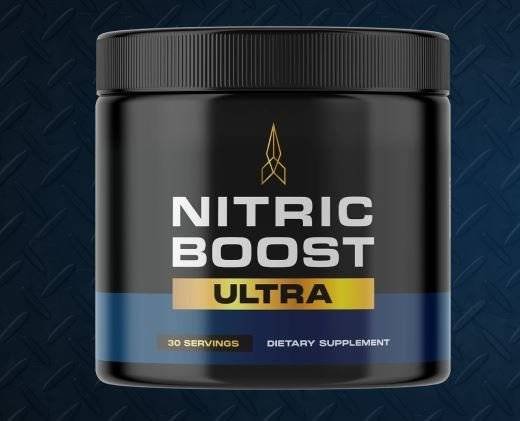
Nitric Boost Review — Balanced, Research-Aware Guide
This page opens with a concise Nitric Boost Review that explains what the powder may support, how people commonly use it, and which safety considerations deserve attention. You’ll find clear sections on mechanisms, ingredient profiles, dosing, timelines, testing, comparisons, and value so you can discuss options with a clinician and make an informed choice.
Pricing: 1 jar $69 • 3 jars $59/jar • 6 jars $49/jar • multi-packs often include free US shipping • 180-day refunds per brand policy.
Supplement Facts (at a glance)
| Active | Typical Role | Notes |
|---|---|---|
| L-Arginine | NO substrate | May support vascular function |
| L-Citrulline (DL-Malate) | Raises arginine/NO | Common in pre-workouts |
| Beet Root Powder | Dietary nitrates | Circulation support |
| Ginkgo Biloba | Antioxidant | Vascular effects discussed in literature |
| Horny Goat Weed | Icariin flavonoid | Traditional performance context |
| Dong Quai | Herbal support | Circulation-focused traditions |
| D-Aspartic Acid | Amino acid | Hormonal signaling research |
| Niacin (B3) | Energy metabolism | Flushing possible |
Dosage & Timing by Goal
| Goal | Suggested Timing | Notes |
|---|---|---|
| General circulation | AM with water | Consistent daily intake |
| Workout support | 30–45 min pre-exercise | Hydrate well; light carbs help |
| Evening routine | 2–3 hours after dinner | Avoid very high-fat meals |
Interaction Risk Levels (examples)
| Category | Examples | Risk | Guidance |
|---|---|---|---|
| Anticoagulants/Antiplatelets | Warfarin, clopidogrel | Moderate | Use only with clinician oversight |
| Vasodilators | Nitrates, PDE5 inhibitors | Moderate | Discuss additive effects |
| Allergies | Botanical sensitivities | Variable | Start low; discontinue if symptoms |
Nitric Boost Review — What It Is & Who It’s For ✅
At its core, this powdered supplement brings together amino acids, botanical extracts, and supportive nutrients frequently discussed in exercise and circulation contexts. The idea is simple: provide substrates such as citrulline and arginine that the body can use within nitric-oxide pathways, add dietary nitrates from beet, and layer antioxidants and traditional herbs that may complement vascular function. None of this is a stand-in for medical care; it’s a lifestyle-adjacent tool designed for healthy adults who want to run a structured, time-boxed trial while keeping sleep, hydration, and training consistent.
Who tends to explore a product like this? Recreational lifters who enjoy a predictable pre-workout ritual, people returning to structured training after a break, and busy professionals who prefer mix-and-go convenience. There are also users who don’t train intensely but want a routine that feels supportive on long workdays or active weekends. On the other side, several groups should avoid use or seek clinical guidance first: anyone pregnant or nursing; people with relevant medical conditions; those using anticoagulants or antiplatelets; and individuals with allergies to any listed ingredients. Supplements can look simple on a label yet behave differently person to person.
Expectation management is crucial. Some users describe a more noticeable “pump,” steadier perceived stamina, or smoother warm-ups. Others feel nothing at all. Physiology is multifactorial: sodium and fluid balance, sleep debt, training status, and stress levels can dwarf the contribution of a single scoop. A fair test means keeping your routine stable for several weeks, taking notes on practical outcomes (workout quality, energy ratings, recovery), and being willing to stop if there’s no clear value. That pragmatic mindset turns a marketing claim into a measured self-experiment you can discuss with your clinician.
Safety First — Side Effects, Interactions & Warnings 🛡️
With nitric-oxide support products, the most common experiences are mild and transient: warmth or flushing (often linked to niacin), a short-lived headache, or a bit of digestive unease if taken on an empty stomach. Starting with food and sipping extra water usually helps. People with low baseline blood pressure, a history of syncope, or sensitivity to vasodilatory effects should be extra cautious. If you already combine multiple “pump” or circulation-oriented products, consider paring back to one to reduce complexity during your trial window.
Interactions deserve attention. Circulation-supporting herbs may layer with prescriptions that affect clotting or vascular tone, including anticoagulants, antiplatelets, nitrates, and PDE5 inhibitors. This doesn’t mean a supplement is inherently unsafe; it means the margin for error tightens and professional oversight becomes wise. Another practical point is procedures: many surgical teams ask patients to pause non-essential supplements one to two weeks prior to minimize bleeding or anesthesia surprises. Share a complete list of everything you take—brands, doses, timing—so your care team can give personalized guidance.
Finally, consider allergen and intolerance patterns. If you react to botanicals like ginkgo or dong quai, or you’ve had issues with amino-acid powders in the past, review labels closely and start with partial servings. Discontinue if you notice rash, hives, swelling, or breathing changes, and seek care for severe symptoms. A supplement is not a substitute for clinical evaluation, and the safest route is always transparency with your primary provider.
Evidence & Research — What Science Says 🔬
The evidence landscape around nitric-oxide support spans lab models, small clinical trials, sports-nutrition studies, and mixed real-world reports. Amino acids such as citrulline and arginine have been investigated for their potential to influence endothelial function and exercise performance proxies, though findings vary by dose, population, and study design. Dietary nitrates from beet have their own literature, with interest in circulation and endurance contexts. These lines of research are helpful for context, yet they don’t convert into guarantees for every individual, which is why practical self-tracking and medical collaboration remain vital.
Two sensible principles frame a balanced interpretation. First, mechanisms inform plausibility but don’t determine magnitude; placebo effects, training quality, and sleep can swamp subtle biochemical nudges. Second, tolerability determines usefulness; a product you can’t comfortably take on most days won’t help regardless of the mechanism. If you’re looking for deeper reading, the best starting points are primary sources and authoritative repositories like NCBI and the NIH Office of Dietary Supplements, alongside high-level health context from the World Health Organization.
In practice, the way to connect research with your life is to set a clear observation window—usually four to six weeks—while keeping training, hydration, and nutrition steady. If your records show a consistent, meaningful improvement in the outcomes you care about, you can weigh cost and convenience against that benefit. If the needle doesn’t move, the best decision is often to stop and refocus on sleep and program design, which deliver the largest returns for most people.
Nitric Boost Review — How It Works in Your Body 🔄
Two complementary routes are in play. The amino-acid path hinges on citrulline’s ability to raise plasma arginine, which can be used by nitric-oxide synthase to produce NO. This signal helps relax vascular smooth muscle (vasodilation), facilitating blood flow during training and daily activity. The nitrate path—popularized by beet—travels a different loop: dietary nitrates can be converted to nitrites and then to NO, particularly under low-oxygen conditions such as hard efforts. Combining the routes is common in sports nutrition because it offers redundancy across contexts.
Botanicals layer supportive roles. Ginkgo is often discussed for antioxidant and microvascular effects; dong quai appears in circulation-oriented traditions; horny goat weed contributes icariin, a flavonoid with a long history of use in performance folklore; and niacin acts in energy metabolism and may trigger flushing. D-aspartic acid shows up in conversations about hormonal signaling. Doses, standardizations, and individual responses differ, which is why quality practices and gradual onboarding matter.
Real-world perception depends on more than chemistry. Hydration, electrolyte balance, carbohydrate availability, and your warm-up sequence can dramatically affect how “smooth” a session feels. If you’re testing any supplement for performance support, build a pre-session checklist—fluids, a small carb target, dynamic mobility—and keep it consistent. That stable scaffolding makes it easier to judge whether the powder adds anything meaningful for you personally.
Ingredients Deep-Dive — What Each One Does 🌿
L-Citrulline (DL-Malate): commonly used for “pump” support; may raise arginine more gently than taking arginine alone, potentially sustaining NO availability. L-Arginine: the direct substrate for NO synthase; some users prefer it for acute sessions. Beet Root Powder: a convenient source of dietary nitrates, popular in endurance sports; effects can be diet-dependent. Niacin (B3): involved in energy metabolism; a harmless flush in some users is common and can be reduced by taking with food.
Ginkgo Biloba: studied for antioxidant and vascular actions; quality varies across extracts. Horny Goat Weed (icariin): a traditional herb discussed in performance contexts; evidence quality is mixed and dose-dependent. Dong Quai: used in circulation-focused traditions; consider interactions with bleeding risk. D-Aspartic Acid: appears in discussions of hormonal signaling and motivation; responses are individual and often subtle.
Synergy is the theme: a mixture that touches substrate supply, nitrate pathways, and oxidative balance may feel more comprehensive than a single ingredient. That said, “more” is not always better. If you already stack multiple pre-workout or herbal products, simplify during your evaluation window so you can attribute effects clearly and reduce interaction risk.
How to Use It — Dosage, Timing & Stacking ⏱️
Begin with the label serving in 8–12 ounces of water. Many people prefer a morning routine or a pre-workout window of 30–45 minutes. If evening sessions are your norm, leave a couple of hours after dinner and avoid very high-fat meals beforehand. Consistency beats intensity; what counts is showing up most days and tracking how you feel before, during, and after sessions.
Stacking guidelines are deliberately conservative. Combine with an electrolyte source during longer or hotter sessions and pair training with a modest carbohydrate target if your goal is sustained output. After exercise, a protein-rich meal or shake supports recovery. Avoid layering multiple vasodilatory supplements unless a clinician has reviewed your full regimen—more ingredients can mean more unknowns.
To evaluate the routine, pick 2–3 practical outcomes: perceived energy at the start line, the quality of your main sets, and how quickly you feel ready for the next session. Track these for four weeks. If you tolerate the product and the numbers improve in a meaningful way, you can think about cost per serving and whether to keep it in rotation. If not, step away without hesitation and double down on sleep and programming, which are the real levers for most trainees.
What to Expect — Realistic Timeline of Benefits ⏳
Week 1: you’re checking tolerance and dial-in. Flushing, warmth, or a mild headache may appear and often fade with food and fluids. Focus on routine—consistent bedtimes, hydration, and a short dynamic warm-up can make your early impressions more reliable.
Weeks 2–4: if the product fits your physiology, you may notice steadier warm-ups, a cleaner build into working sets, or a bit more “push” before fatigue. Write quick daily notes—two sentences are enough—to reduce bias from one great or bad session. Keep other supplements steady to avoid confounding.
Beyond a month: retain the routine only if your notes show sustained value. Many athletes use periodic breaks to see whether perceived benefits persist off-cycle; others keep the product only for key blocks or hot-weather training. Practicality is the goal: a routine you can keep up without friction is the one most likely to help over time.
Quality Matters — GMP & Third-Party Testing 🧪
High-quality brands manufacture in facilities that follow current Good Manufacturing Practices (cGMP) and verify raw-material identity, potency, and purity. Third-party labs add an outside layer of assurance; lot-level traceability helps brands respond rapidly to quality issues. Ask for certificates of analysis and allergen statements if you have specific dietary needs, and keep screenshots or PDFs for your records.
Labels should be precise about servings, ingredients, and any standardizations for botanicals. If you see vague language or under-dosed actives hidden in proprietary blends, request clarification before buying. Transparent companies make it easy to understand what you’re taking and why the formula looks the way it does.
Finally, storage practices matter for performance and flavor. Keep containers in a cool, dry place away from sunlight; reseal promptly; and avoid bathrooms and cars, which swing temperature and humidity wildly. Most issues people attribute to “bad batches” are really storage problems downstream of manufacturing—small habits prevent big disappointments.
Who Should Avoid It — Contraindications & Special Populations 🚫
Do not use if you are pregnant, trying to conceive, or nursing. People with bleeding disorders or those taking anticoagulants/antiplatelets should involve a clinician because botanicals and NO-support routes may add to prescription effects. If you live with chronic cardiovascular, renal, hepatic, endocrine, or neurological conditions, the safest path is a direct conversation with your provider before starting any new supplement.
Use caution if you take nitrates or PDE5 inhibitors; additive vasodilation can feel uncomfortable and may be unsafe without supervision. For scheduled procedures, disclose all supplements and follow your surgical team’s protocol on pausing non-essentials.
Adolescents should not use without explicit guidance from a pediatric professional. People with known allergies to any listed ingredient should avoid use entirely. Safety is not a checkbox—it’s an ongoing process anchored in honest conversations with qualified clinicians who know your history.
Compare Alternatives — Which Option Fits You? 🏆
| Product | Key Actives | Approx. Dose | Price/Serving | Testing |
|---|---|---|---|---|
| Nitric Boost | Citrulline, Arginine, Beet, Ginkgo | Label blend | $1.63–$2.30* | Brand-stated GMP + 3rd-party |
| Alt A | Citrulline-malate heavy | 6–8 g | $2.50+ | Varies |
| Alt B | Arginine + beet | Blend | ~$1.90 | Varies |
If you want maximal single-path clarity, a high-dose citrulline product may appeal. If you prefer a multi-angle approach with botanicals and nitrates in one scoop, the blend here fits that philosophy. Transparency, tolerability, and cost per serving should drive your final pick more than marketing adjectives.
When comparing, hold your training schedule steady and avoid adding extra stimulants. That way, your notes reflect the product rather than a shifting stack or a chaotic week at work. Simple comparisons beat complicated experiments every time.
Real-World Experiences — Patterns 🗣️
User stories tend to cluster. One group loves the convenience and describes reliable “pump” and smoother main sets on days with decent sleep and hydration. Another group reports neutral outcomes—no harm, no noticeable change—often coinciding with inconsistent routines or high stress. A smaller group flags mild side effects such as flushing or GI unease, usually resolved by taking with food or adjusting timing.
Patterns from reviewers and coaches point to a core truth: supportive products work best when they reinforce a solid base—regular training, smart progressions, and basic recovery hygiene. If your life is chaotic, hope for only small benefits until the fundamentals improve. Supplements are tools, not shortcuts.
Remember that testimonials are not clinical data. They help you frame expectations and design a fair trial, but they don’t substitute for measurements you gather in your own context. Keep your notes short, honest, and consistent, and you’ll avoid most of the common decision traps.
Nitric Boost Review — The Best Part ❤️
The strongest case for choosing this formula is practicality. The blend covers familiar NO routes and pairs them with supportive botanicals, all in a single scoop you can slot into a morning or pre-workout ritual. For people who value routine and low friction, that simplicity matters more than exotic ingredients or flashy claims.
A second advantage is trial friendliness. Because the routine is easy to schedule and the flavor is designed for daily use, you can evaluate fit over several weeks without reengineering your entire day. That makes it easier to decide whether the product earns a permanent place on your shelf or belongs in the “tried it” category.
Finally, bundle pricing can reduce cost per serving if you plan a longer evaluation window. Just be sure you tolerate the product before committing to multi-jar deals. Buying through official channels also helps with shipping reliability and refund processing if you decide to return it within the advertised window.
Price, Bundles & Overall Value 💳
The brand’s published tiers are straightforward: a single jar near $69, a three-jar bundle near $59 per jar, and a six-jar bundle near $49 per jar. Multi-packs often include free US shipping and digital bonuses, and the refund window is advertised at 180 days. If you intend to run a 60–90-day trial, the three-jar option usually aligns with that timeline and avoids mid-course reorders.
Value analysis weighs ingredient breadth, tolerability, and your notes over price alone. If the product slides into your day and nudges comfort or performance in a way you care about, bundles drive the per-serving cost down to a level that feels reasonable. If the effect is neutral, the best value is to stop and reallocate budget to coaching, programming, or better sleep infrastructure.
Practical tip: keep your order confirmation and lot number until you decide whether the routine works for you. If you pursue a refund, having those details handy shortens the back-and-forth and makes support much smoother for everyone involved.
Refunds, Guarantees & Customer Support 🧾
A long refund window is only useful if you remember the deadline. Mark your calendar at delivery and take a quick photo of the product on arrival so you can confirm seal condition if anything looks off later. Keep packaging until you’re confident the routine fits; returns are always easier with intact materials.
When contacting support, include your order number, the lot code, a brief description of your routine (timing, serving, other supplements), and what you did to manage any side effects. Clear notes lead to clear guidance and faster resolution, whether you’re asking about shipping, storage, or refunds.
For multi-jar bundles, free shipping policies typically apply within the US, while single-jar offers may vary by promo. Cross-border orders depend on marketplace rules and local regulations—always check the final checkout page for accurate taxes and shipping timelines before you confirm.
Storage, Shelf Life & Handling 📦
Store in a cool, dry place away from sunlight. Temperature swings and humidity are the main culprits behind flavor drift and clumping. Reseal promptly and avoid the bathroom and car trunk, where both variables are hard to control. If clumps form, break them gently with a clean utensil and check aroma before use; stale or off smells mean it’s time to replace the product.
Check the “best by” date and track first-open date with a marker on the lid—one small habit that saves money and guesswork. When traveling, portion servings into airtight containers and carry a small funnel for clean bottle fills. Rinse shakers promptly; lingering odors can ruin even a well-formulated powder.
Keep out of reach of children and pets, and don’t share scoops between containers. If you store multiple powders, color-code scoops or label lids to prevent mix-ups. That last tip sounds trivial until you grab the wrong tub before an early session.
Where It’s Made & Regulatory Compliance (FDA/AYUSH/ISO) 🏷️
In the United States, dietary supplements fall under FDA oversight for manufacturing quality and labeling, but they are not drugs and do not undergo pre-market approval to diagnose, treat, cure, or prevent disease. Reputable brands follow cGMPs, maintain documentation for traceability, and respond to inquiries about testing and allergens. Many also adopt ISO-style quality systems to formalize continuous improvement.
In India, frameworks such as FSSAI and, where applicable, AYUSH shape labeling and claims. Products sold internationally should align with the destination market’s rules; in practice that means different labels or formulations across regions. If you’re buying online, ensure you’re ordering the version intended for your country to avoid customs surprises and claim mismatches.
Consumers can—and should—ask companies for clarity. Responsible brands welcome questions about testing protocols, certificates of analysis, and ingredient sourcing. Keeping polite, detailed emails creates a paper trail that benefits both buyer and seller if any questions arise later.
Our Review Criteria — How We Evaluate Supplements 🧭
Our editorial lens prioritizes safety, plausible mechanisms, dose realism, ingredient transparency, and manufacturing quality. We examine whether a formula makes sense on paper, whether the label communicates clearly, and whether a typical person can use it comfortably most days. We also weigh refund policies and bundle economics because cost per serving matters when trials extend past a month.
We avoid disease claims and keep a bright line between supportive language and medical promises. Where evidence is mixed or preliminary, we say so; where tolerability risks exist, we foreground them. Sources of background information include peer-reviewed articles and authoritative repositories such as NCBI, NIH ODS, and WHO summaries.
Finally, we design pages for phones first and emphasize skim-friendly structure: a clear hero, a two-column table of contents, scrollable tables that never overflow on mobile, and centered CTAs. The goal is to help you find answers fast and move on with your day.
Pros & Cons — Balanced View
Pros: complementary NO routes (substrate + nitrate), straightforward daily use, bundle pricing that lowers per-serving cost, refund policy long enough to run a real trial, and ingredients familiar to sports-nutrition users. For many, the main benefit is practical: one scoop, predictable timing, minimal friction.
Cons: results vary; mild side effects (flushing, warmth, GI unease) appear in a subset; potential interactions with anticoagulants, antiplatelets, nitrates, and PDE5 inhibitors require supervision; not for pregnancy or nursing; botanicals complicate stacking if you already use multiple products.
Neutral factors: taste preference is personal; benefits correlate strongly with sleep, hydration, and training quality; the more chaotic your schedule, the harder it is to attribute any change to a single powder. If you love tinkering, keep a log; if you hate tinkering, stick to lifestyle levers first.
Expert Tips — Pairing with Lifestyle for Better Results 🧠
Build a routine around three pillars: sleep, hydration, and training progression. A consistent bedtime and wake time stabilize hormones and recovery. Steady fluids with a pinch of electrolytes on big days and a small, carbohydrate-forward snack 60–90 minutes pre-session prime you for better output. A warm-up that moves from joint prep to dynamic patterns wakes up the system before you demand hard efforts.
During your four-week trial, cut noise: hold caffeine steady, avoid stacking multiple “pump” products, and don’t switch training programs mid-stream. On paper this sounds restrictive; in practice, it’s how you isolate signal. Use a two-line daily log: “How did I feel starting?” and “How did the main work feel?” Most of what you need to decide will be visible in those notes.
Finally, match expectations to reality. Supplements are supportive; they are not medical treatment and they won’t fix a chaotic week. If you see small yet consistent improvements and tolerate the product well, consider keeping it for key phases. If nothing changes, exit cleanly and invest in coaching, programming, or better sleep gear—purchases with the strongest return on effort for most people.
Verdict — Should You Buy? 🛒
If you want a straightforward, mix-and-go powder designed to support nitric-oxide pathways through well-known amino acids and dietary nitrates—with a few botanicals for coverage—this formula fits that profile. The people most likely to appreciate it are adults without contraindications who enjoy stable routines and track outcomes honestly for several weeks.
For the cautious buyer, the best path is simple: review safety notes, confirm no conflicts with your prescriptions, start with one serving, and evaluate over a month while keeping training and sleep steady. If your notes show meaningful improvements and you tolerate it well, bundle pricing can improve value; if not, stop and reallocate funds to the fundamentals that move the needle the most.
Either way, a measured approach turns hype into clarity. That—more than any specific ingredient—is the real edge for everyday athletes and busy professionals alike.
Helpful Resources
Background reading and evidence context: NCBI, the NIH Office of Dietary Supplements, and the World Health Organization.
Explore more on our site: About Review9 • Blog • Related: Studiobook AI Review
How We Fact-Check
We favor primary sources and authoritative repositories, avoid disease claims, and present safety first. When evidence is mixed, we explain why and keep recommendations conservative so you can make choices with your clinician’s guidance.